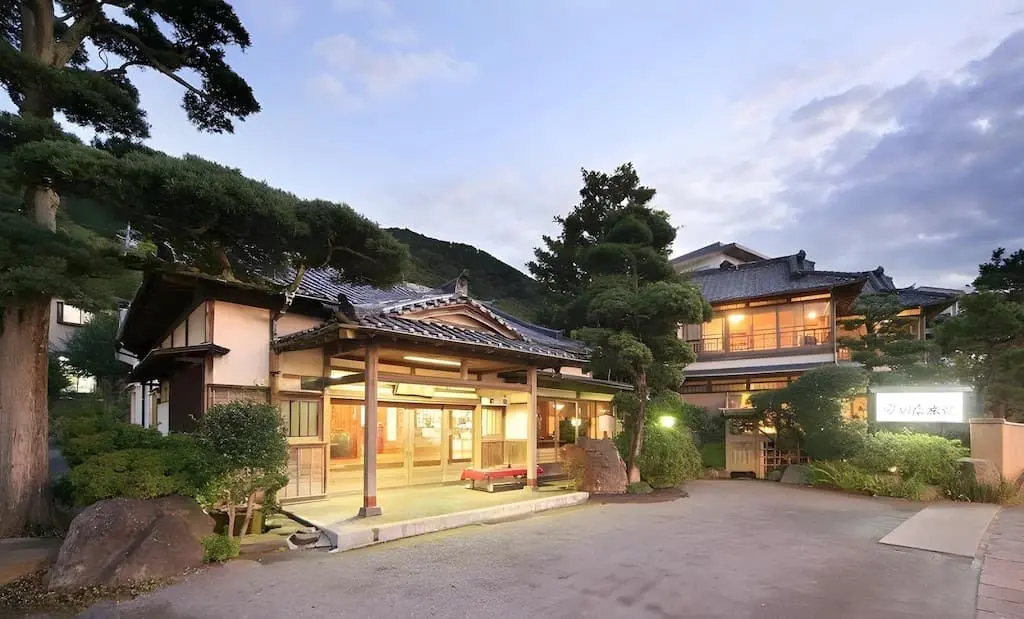
The building faces Mito Beach directly. Behind it, the hills of the Izu Peninsula rise in layers. In front of it, the water of Suruga Bay stretches to the horizon, and on clear days Mount Fuji is visible from the shore. Across the road is the dock where Riko Sakurauchi jumped into the sea in the very first episode of Love Live! Sunshine!! and where everything that followed was set in motion.
This is Yasudaya Ryokan — established in 1887, still operated by the Yasuda family, still welcoming guests to the inn that became Chika Takami's home. There is no official Aqours branding here, no themed rooms, no merchandise on sale at the desk. What there is, is the real place — and for fans who understand the difference between a themed hotel and an actual pilgrimage, that is everything.
The Inn That Became Tochiman
When the production team for Love Live! Sunshine!! chose Numazu as the series' real-world setting, they did what anime productions have done for decades: they walked the streets, documented the buildings, and built their fictional world directly from what they found. Yasudaya Ryokan — a historic wooden inn on the coast of Uchiura, facing a small beach and a working fishing harbor — became Tochiman, the family inn operated by the Takami sisters and the home from which Chika launched everything.
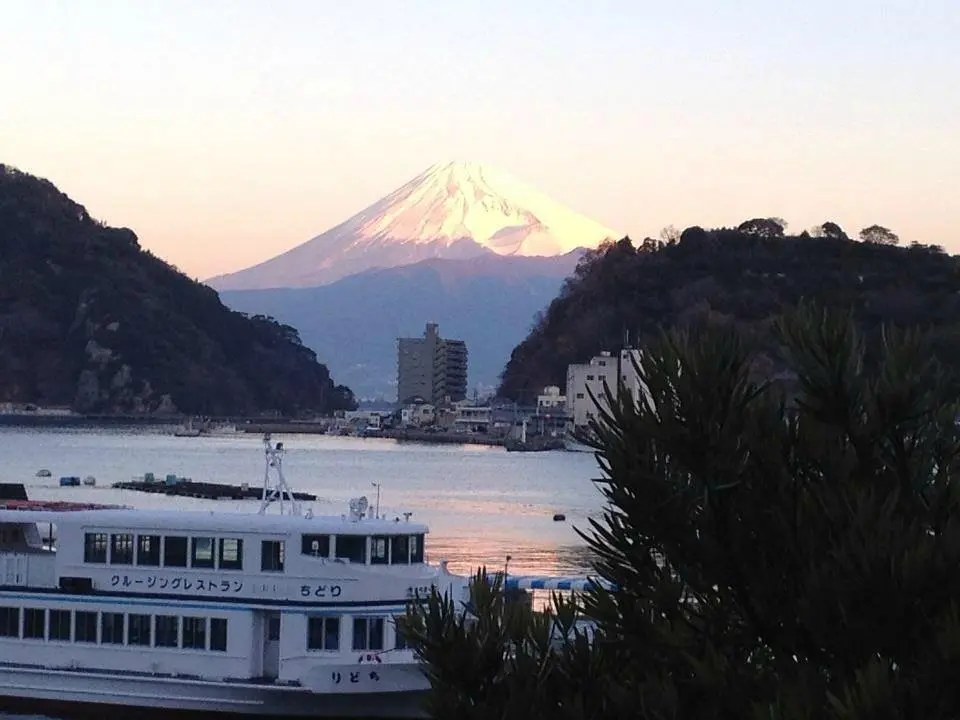
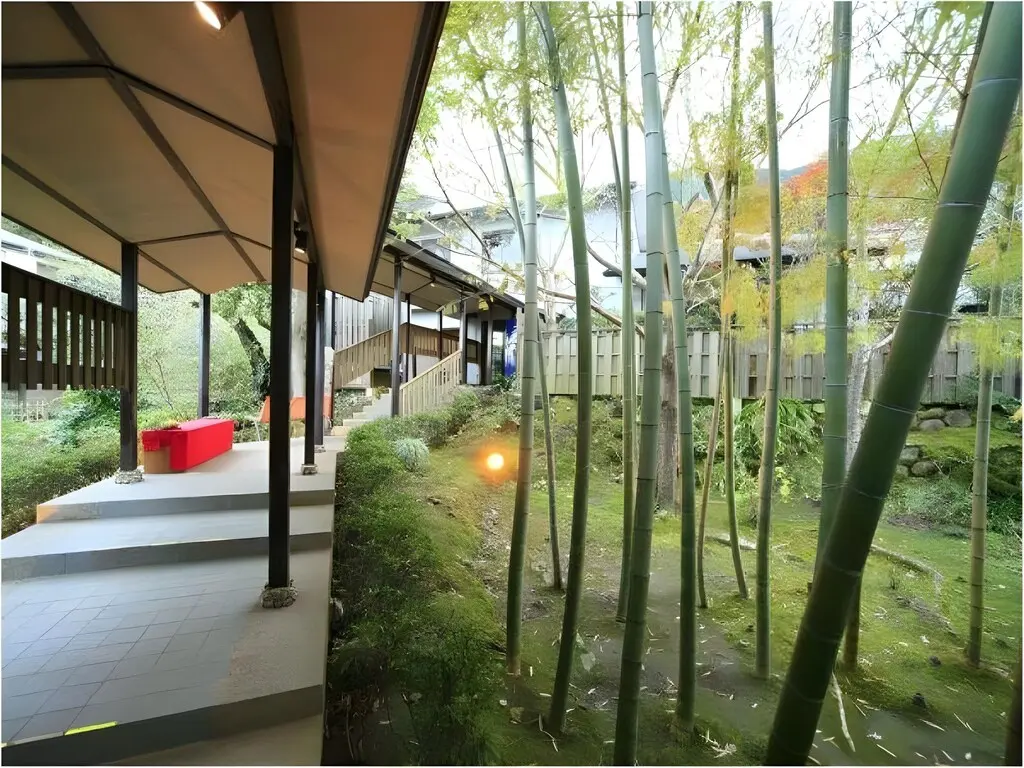
The correspondence between the anime and the real building is direct and specific. The facade, the approach from the road, the relationship between the inn and Riko's house next door, the view from the onsen baths toward the sea — these are faithfully reproduced in the series. Fans who have watched Sunshine!! will begin recognizing individual shots from the very first moment they arrive at the ryokan's entrance. The dock visible from the shore is the dock Riko jumped from in Episode 1. The beach across the road is where Chika first heard Riko play piano. The hills behind the inn are the hills the girls ran up when they were preparing for their first concert.
Manager Yasuda Kazunori agreed to the production's request without fully understanding what it would mean. The series premiered in July 2016. By autumn, the character profile of Yasudaya's guests had transformed — from primarily older couples and families to younger fan groups making dedicated pilgrimages. Weekday occupancy, previously quiet, became consistently high. Yasuda watched the series himself so he could speak with guests about the story and the characters, and understand what each visitor was searching for when they arrived at the door of Chika's house.
A Lobby Full of Gratitude
The reception area at Yasudaya tells the story of what has happened here since 2016. Yasuda originally placed a few Love Live! Sunshine!! magazines on the counter for guests to read. Everything else — the character plush toys, the tapestries, the printed artwork, the signed goods — arrived as donations from fans who wanted to leave something of themselves at the place that had given them something. The display has grown steadily and organically, without direction from management, purely through the accumulated gratitude of visitors.
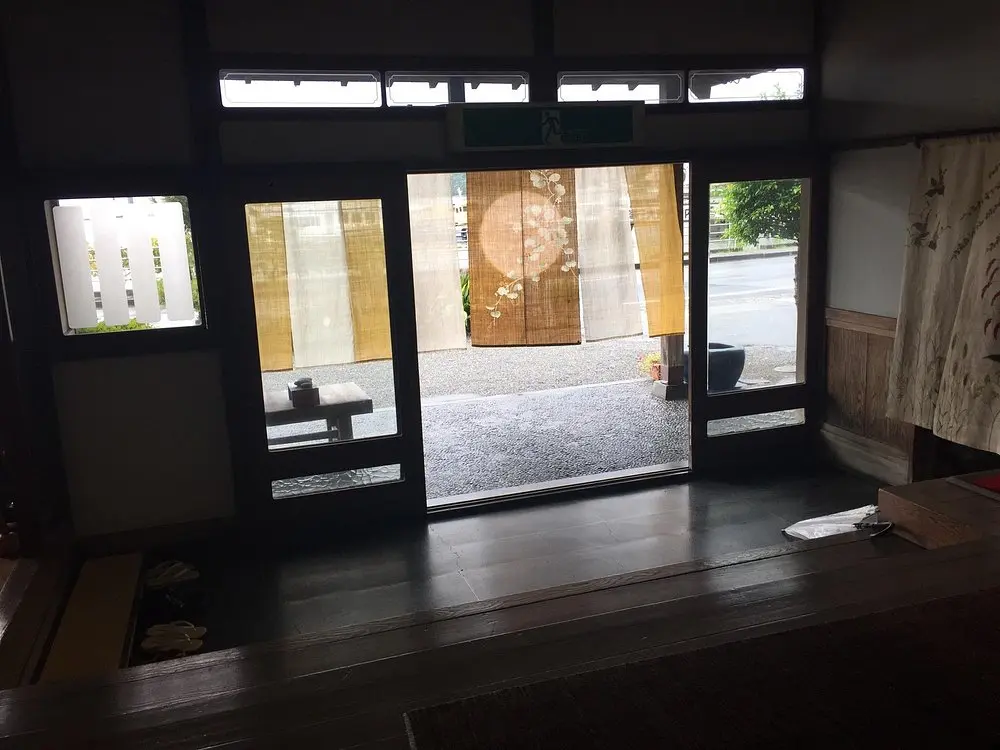
Yasuda takes a deliberately long view of the relationship. He knows that the intensity of the current fan interest will eventually diminish, and he does not try to artificially extend or exploit it. His goal is simpler: he hopes that the fans who find Yasudaya through Sunshine!! will discover enough about Numazu and the Uchiura coast to want to return for reasons beyond the anime — for the seafood, the onsen, the particular quality of light on Suruga Bay in the late afternoon. Some do. The symbiosis is genuine rather than transactional, and visitors feel it immediately.
Literary History: Where The Setting Sun Was Written
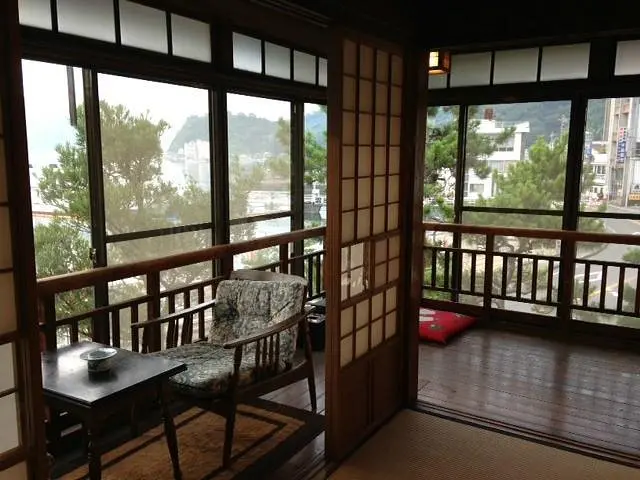
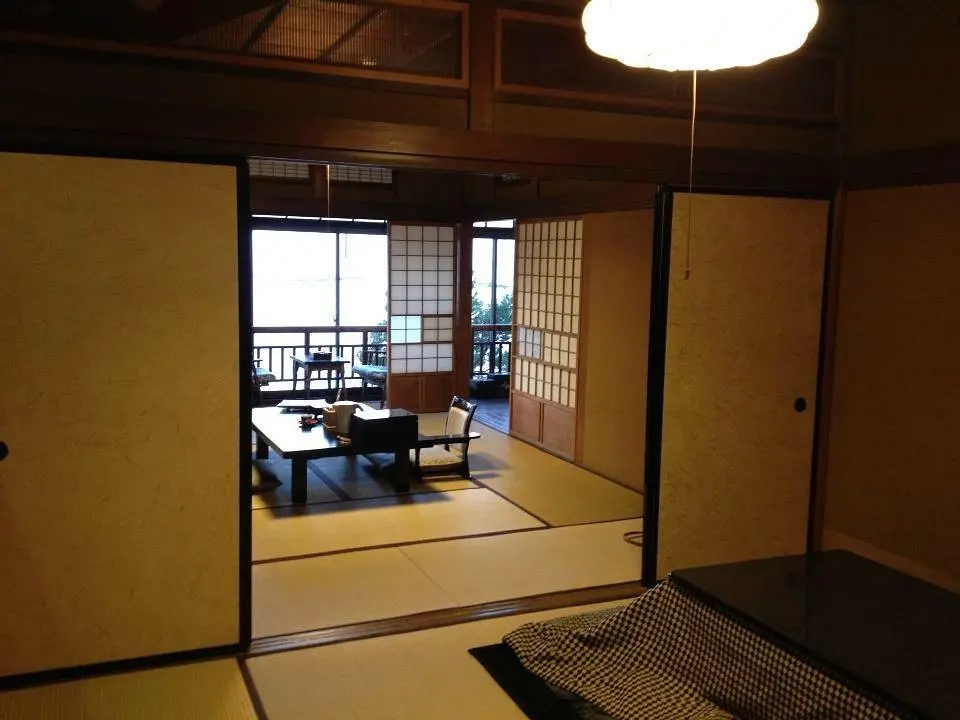
Yasudaya's cultural significance predates Love Live! Sunshine!! by several decades. In 1947, Osamu Dazai — one of the most important novelists in modern Japanese literature, whose work continues to influence writers and filmmakers today — stayed at Yasudaya while working on his masterpiece The Setting Sun. The room where he wrote the first two chapters of the novel is preserved and named the Tsukimisō no Ma (Evening Primrose Room). For guests interested in Japanese literary culture, this layer of history adds a dimension to the stay that goes well beyond anime tourism — Yasudaya is, in its own right, a site of cultural significance that would merit a visit regardless of any television series.
The Onsen and the Stay Experience
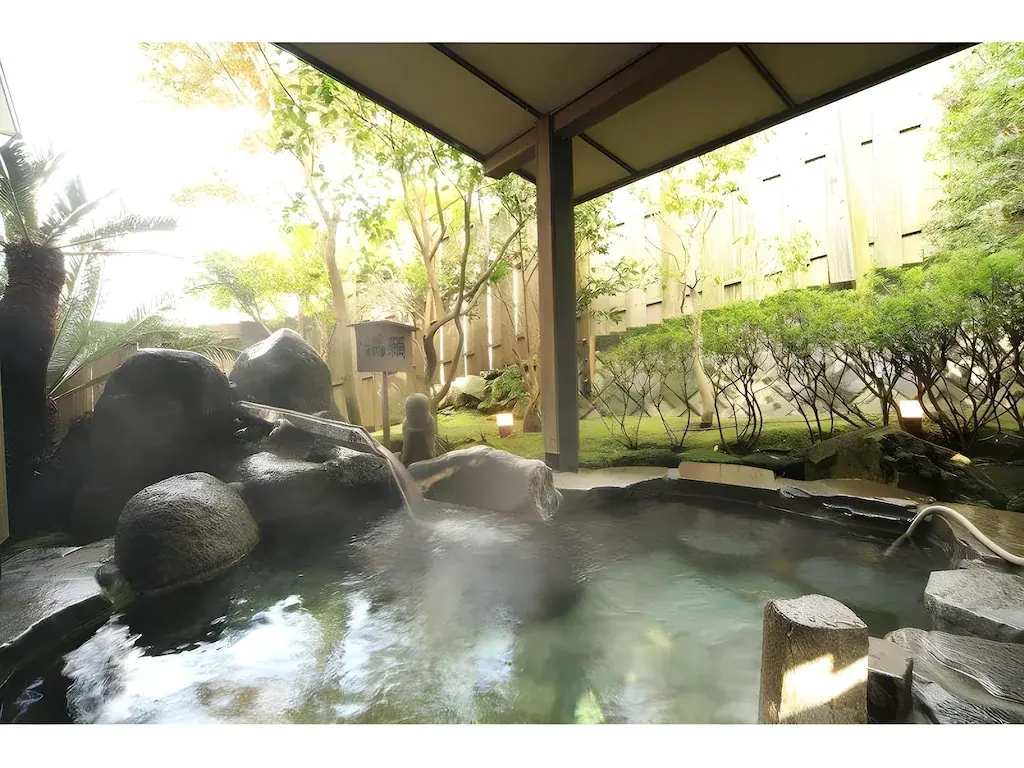
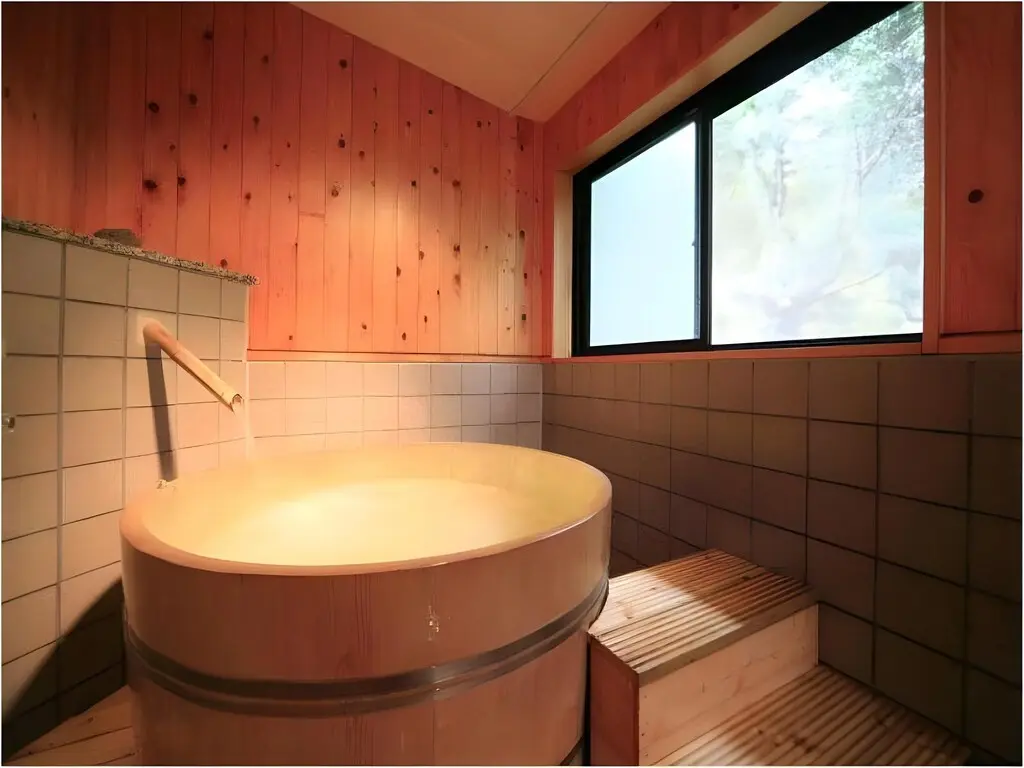
Yasudaya is a traditional full-service ryokan — dinner and breakfast are included in standard plans, yukata are provided, and the rhythm of the stay follows the established pattern of Japanese inn culture. The onsen baths are ocean-view, fed by natural hot spring water, and available to overnight guests throughout their stay. Day-use onsen access is also available during lunch and dinner hours for ¥1,000, making it possible to experience the baths as a non-overnight visitor.
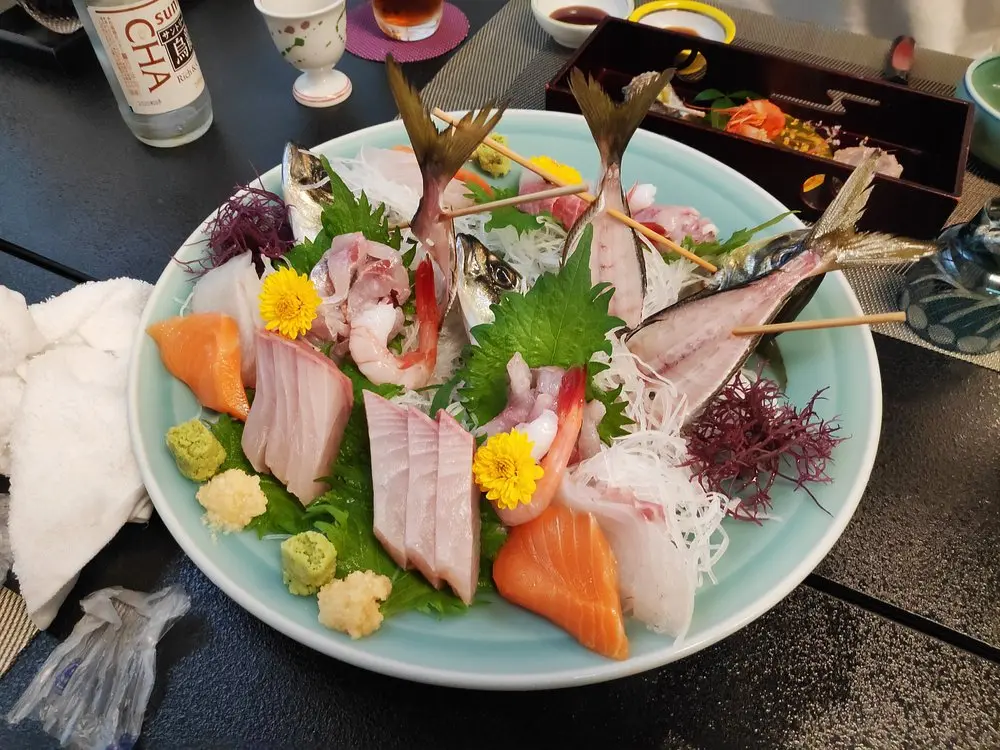
The seafood at Yasudaya reflects the Uchiura coastline directly — the bay is one of the most productive fishing areas in the Izu Peninsula, and the ryokan's kitchen uses local catch with the confidence of a place that has been doing this for over 130 years. Dinner is the heart of the stay, and guests who come specifically for the Sunshine!! pilgrimage often report being surprised by how much the meal itself contributes to the experience.
Numazu and the Uchiura Pilgrimage
Yasudaya is the anchor of a much larger pilgrimage. Numazu city itself — accessible from Tokyo in about 90 minutes by Shinkansen and local connection — has embraced its role as the real-world home of Aqours with remarkable thoroughness. The Numazu Fish Market, the city's shopping streets, Awashima Island (where Mari Ohara's family estate is located), and dozens of individual spots from specific episodes are all accessible as part of a full visit. Many fans arrive for two or three days, treating Numazu as a destination rather than a day trip — staying at Yasudaya for the Uchiura locations and in a city hotel for downtown exploration.
Practical Information
- Minimum guests: 2 per room — solo bookings are not accepted
- Check-in: 2:00 PM Check-out: 10:00 AM
- Meals: Dinner and breakfast included in standard plans
- Day-use onsen: Available during lunch (12:00–14:00) and dinner (17:00–20:00) hours — ¥1,000 per person
- Booking: Via official website (yasudaya.co.jp) — book 2–3 months ahead for weekends
- From Numazu Station: Tokai Bus Nishiura Line → Mito stop (~30 min, ¥400)
- From Tokyo: Shinkansen to Mishima (~45 min) + Izuhakone Railway to Numazu (~10 min)
- Price range: From ¥15,000 per person per night (dinner + breakfast)
- Language: Japanese primarily — some staff speak basic English
| Full Name | Yasudaya Ryokan (安田屋旅館) |
| Address | Uchiura Mito, Numazu, Shizuoka Prefecture |
| Established | 1887 — National Registered Tangible Cultural Property |
| Anime Connection | Love Live! Sunshine!! — model for Chika Takami's family inn (Tochiman) |
| Literary Connection | Osamu Dazai wrote first chapters of The Setting Sun here (1947) |
| Hot Springs | Ocean-view onsen — overnight guests and day-use available |
| Price Range | From ¥15,000 per person per night (dinner + breakfast) |
| Nearest Bus Stop | Mito stop, Nishiura Line from Numazu Station (~30 min) |
Photo Gallery
Stay at Chika's House
Book Yasudaya Ryokan via their official website — minimum 2 guests, 2–3 months advance recommended.