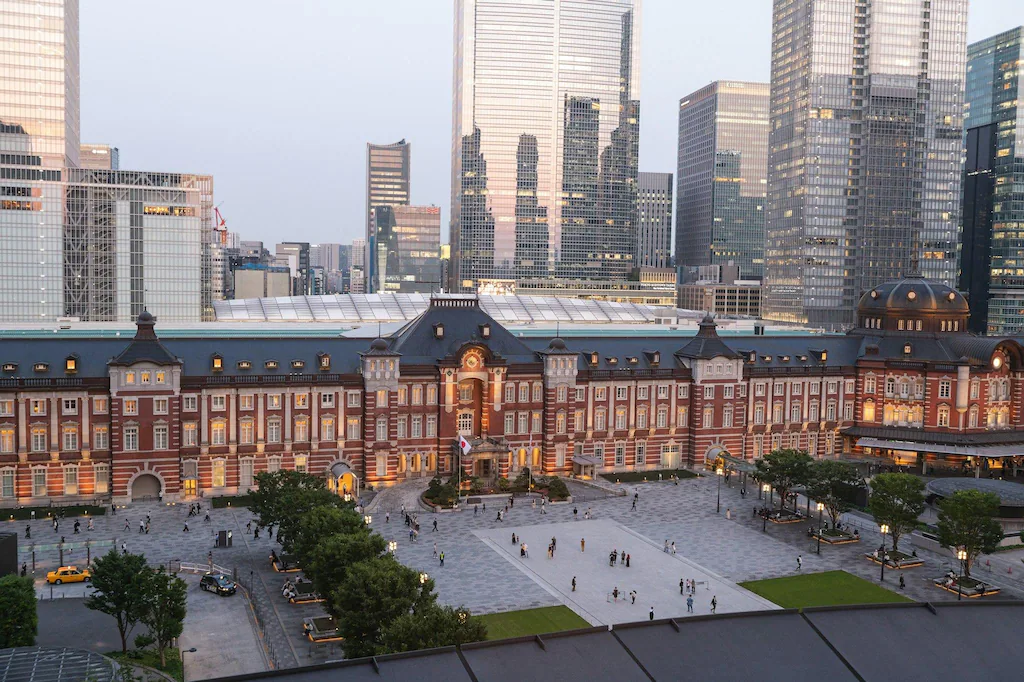
Every day, approximately 450,000 people pass through Tokyo Station. Anime fans among them recognize it immediately — this is the station where the members of μ's gathered at the Marunouchi North Exit before heading to training camp in Love Live! School Idol Project, where the Karasuno team passed through in Haikyuu!!, and where Riko stored her treasures in Love Live! Sunshine!! The building has been a pilgrimage destination for fans for over a decade. Almost none of the 450,000 daily commuters, however, realize that the red-brick Marunouchi building also contains, tucked into its upper floors behind vaulted ceilings and century-old stone reliefs, one of the most quietly extraordinary hotels in Japan. You can walk past the entrance to The Tokyo Station Hotel a hundred times without noticing it. And then you check in, the elevator opens onto a corridor of classical European proportions and warm light, and you understand that you are inside history in a way that photographs do not prepare you for.
This is the hotel that has occupied Tokyo Station's Marunouchi building since 1915. It closed for eight years of meticulous restoration and reopened in 2012, designated an Important Cultural Property. It has been, in the decade since, consistently rated among the finest hotels in Japan — not for spectacle, but for the particular quality of presence that only truly old, truly cared-for buildings can offer.
The Building: 110 Years of History Above the Tracks
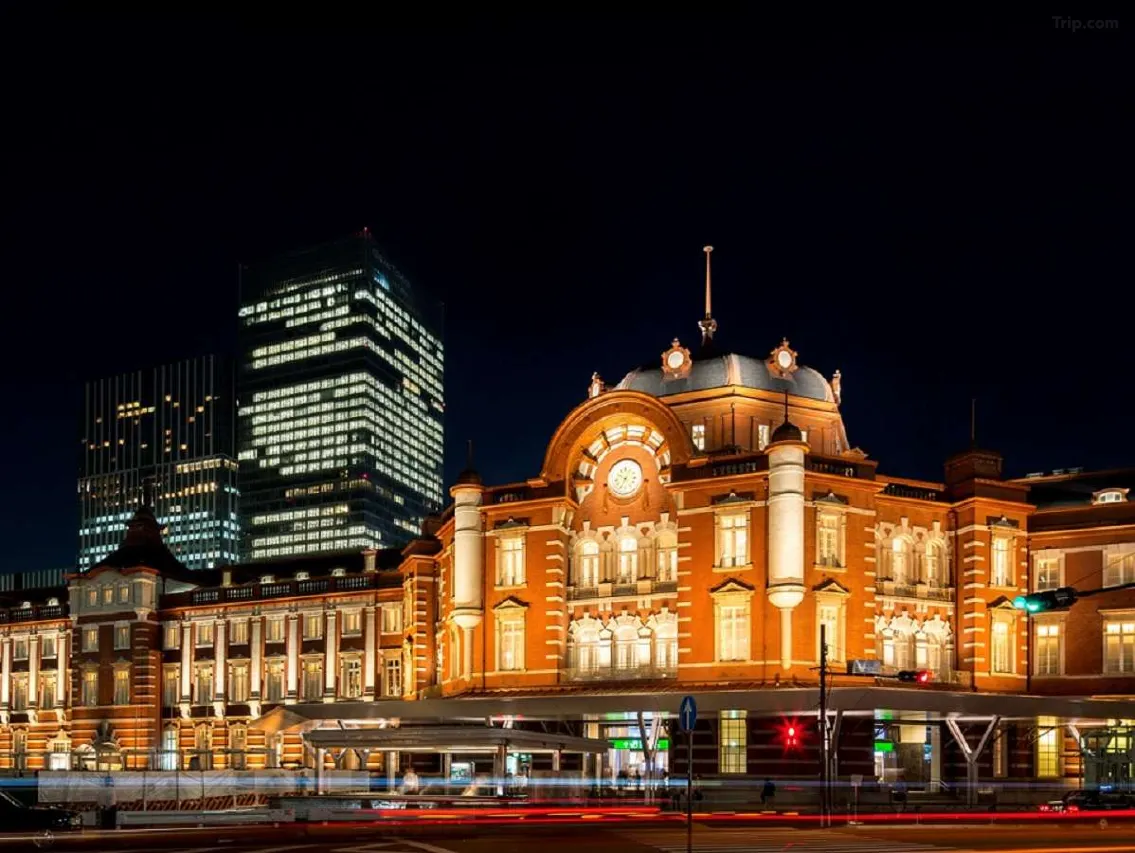
Tokyo Station's Marunouchi building was completed in 1914, designed by architect Tatsuno Kingo in a Dutch Renaissance style — a deliberate statement of Meiji-era Japan's engagement with Western modernity, built from red brick with white stone detailing and anchored by two distinctive cupola domes at its north and south ends. It served as Japan's central rail terminal through the militarist period, the wartime bombings that damaged its upper floors, the postwar reconstruction, and the economic transformation that made Tokyo the city it is today. Each of those eras left traces in the building's fabric, and the 2012 restoration — which cost an estimated ¥50 billion — was designed to preserve them rather than erase them.
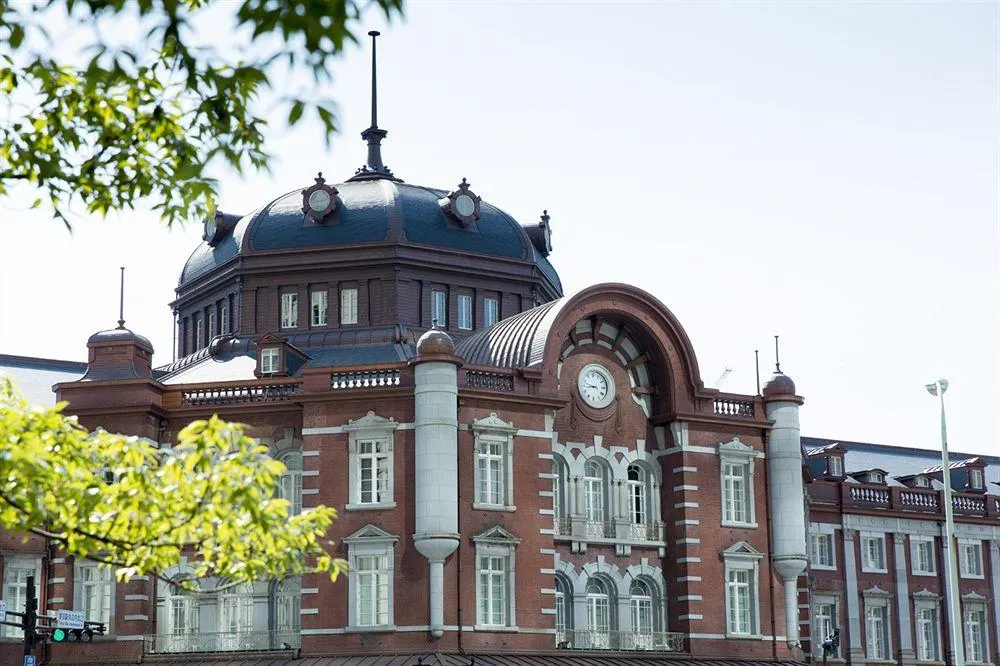
The restoration returned the building to its original three-story height (it had been reduced to two stories after wartime bombing damage) and faithfully reconstructed the cupola domes that had been lost. The hotel occupies the upper floors of this restored structure — meaning that the vaulted ceilings in the corridors, the stone relief work visible from certain room windows, and the particular quality of light filtering through historic windows are not recreations. They are the original building, restored, surrounding you while you sleep.
The Rooms: 150 Choices, Each with a Story
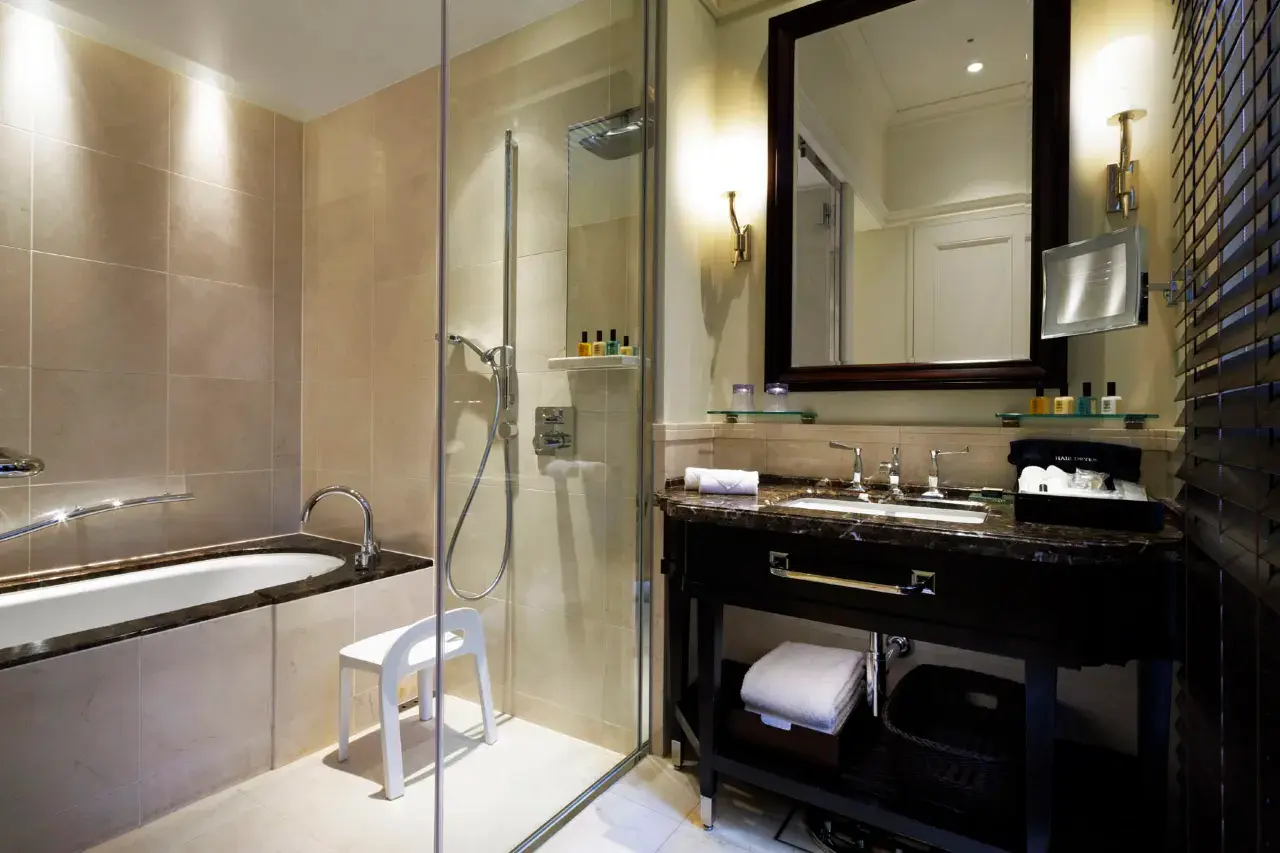
The hotel has 150 rooms and suites across multiple categories, and the category choice here matters more than at most hotels. Classic Rooms (23–47 square meters) offer the baseline experience of the building's European décor — high ceilings, calming tones, Simmons beds, classic furnishings. They are beautiful rooms, and they are the entry point.
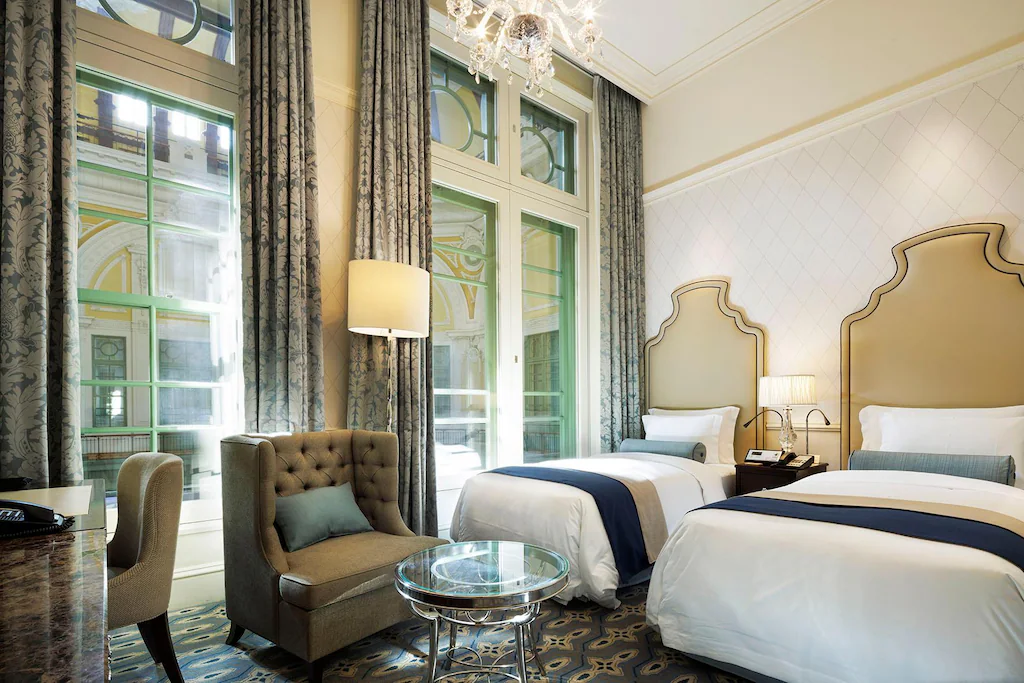
The Cupola Rooms are the rooms that guests specifically request by name, and for good reason. Positioned along the North and South Cupola domes of the station, these 30–44 square meter rooms offer close-up views of the stone reliefs that adorn the domes — architectural details visible from street level as distant ornaments, here accessible from your window as intimate, observable craft. Waking up to the inside curve of a 1914 dome is an experience available nowhere else in Tokyo and in very few places in Japan.
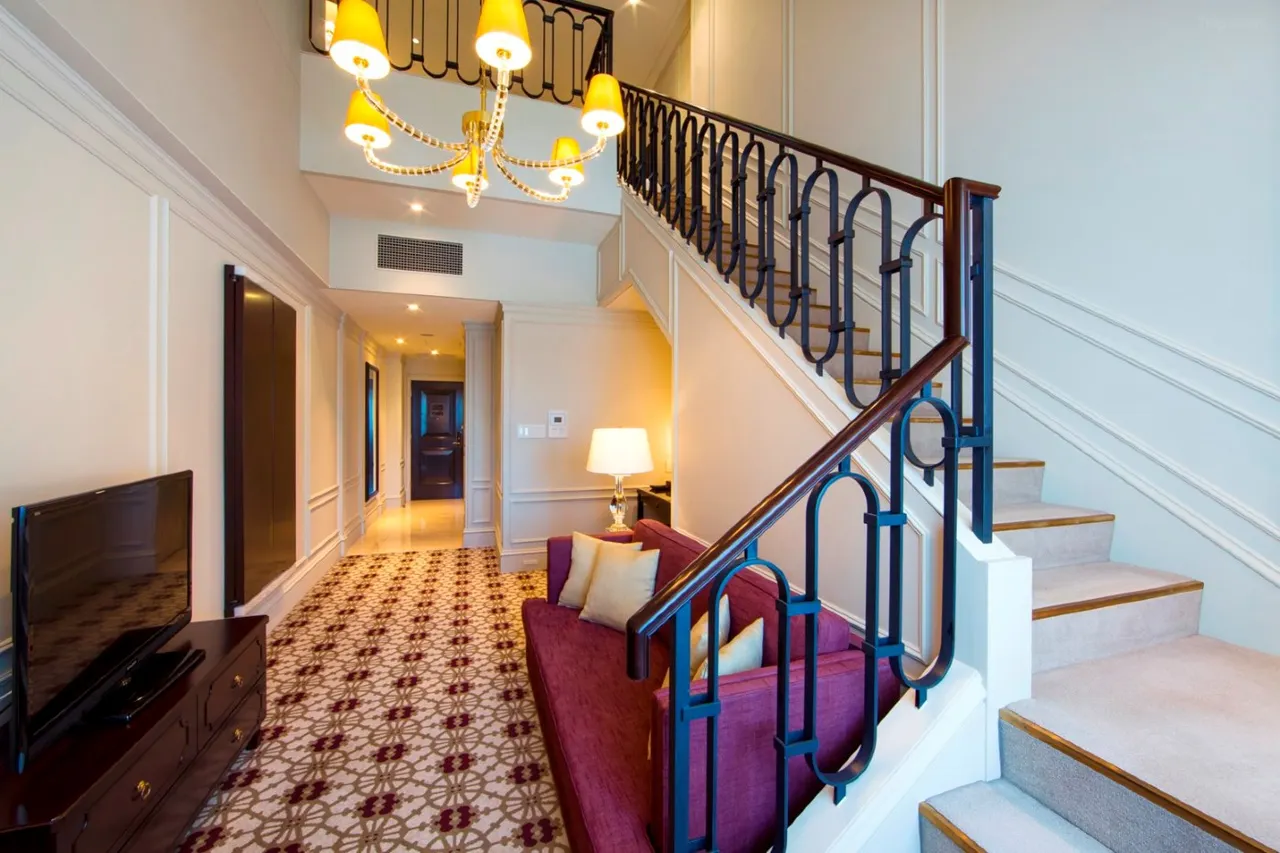
The Maisonette rooms are bi-level — occupying two floors connected by an internal staircase, providing 65 square meters of space with the atmosphere of a private residence within the hotel. Junior Suites (58 square meters) with 3.7-meter ceiling heights in select rooms complete the upper range before the palatial Imperial Suite. All rooms include Simmons beds, free WiFi, iPod docking stations, minibars, and bathrobes. Breakfast is not included in the room rate — it is charged separately at ¥6,200 per adult.
Dining: Breakfast and Blanc Rouge
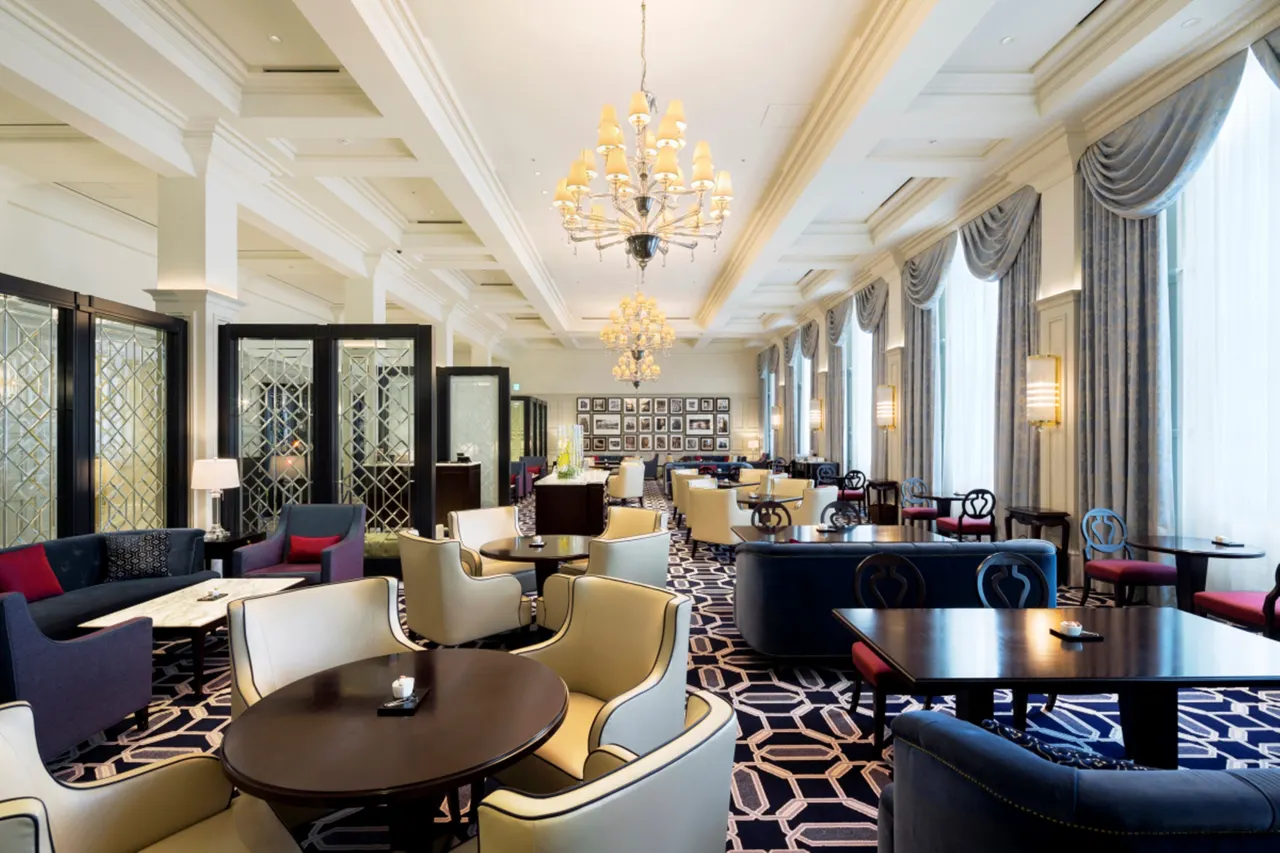
The breakfast buffet at The Atrium is one of the most consistently praised hotel breakfasts in Tokyo — over 100 items spanning organic juices, home-baked pastries, a full Japanese breakfast (asa-gohan), and a range of Western options. Multiple TripAdvisor reviewers specifically describe it as the best hotel breakfast they have experienced during their Japan travels. The service matches the food: attentive, unhurried, and aware of what individual guests are having and what they might want next.
Restaurant Blanc Rouge — the hotel's French dining room — is a member of La Liste, the annual ranking of the world's top 1,000 restaurants. Modern interpretations of classic French cuisine are served in a room whose architecture matches the ambition of its kitchen. Reservations are recommended well in advance, particularly on weekends.
Spa Tokione and Location
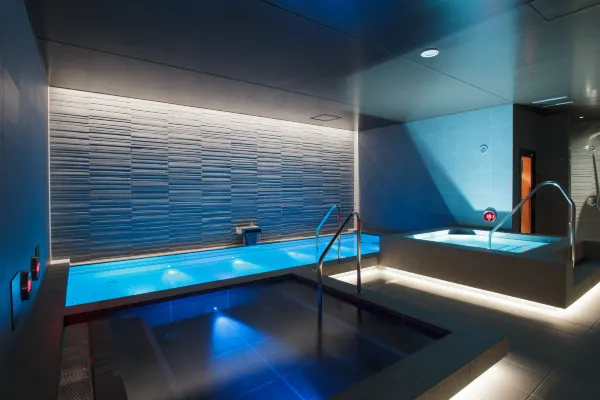
The Spa Tokione offers a carbonated hot spring pool — a relatively rare facility in Tokyo's luxury hotel landscape, where dissolved carbon dioxide bubbles promote circulation — alongside a sauna, steam room, hydrotherapy pools, and full treatment rooms. For guests arriving via Shinkansen from other parts of Japan and wanting immediate recovery, the spa's direct connection to the hotel interior (no outdoor transit required) is a significant practical advantage.
The hotel's location is simultaneously its greatest strength and its most discussed limitation. Standing above Tokyo Station, it provides Japan's most connected address — the Shinkansen, multiple JR lines, and metro connections to the entire city are directly accessible. Ginza is a 10-minute walk. The Imperial Palace gardens are a 20-minute walk. The limitation some guests note is that Shibuya, Harajuku, and Shinjuku — the neighborhoods associated with Tokyo's contemporary pop culture — require a train ride rather than a walk. For travelers whose itinerary centers on Marunouchi, Ginza, and the city's historic and business core, this is not a limitation at all.
Practical Information
- Check-in: 2:00 PM Check-out: 12:00 noon
- Rooms: 150 rooms and suites — Classic, Cupola, Maisonette, Junior Suite, Imperial Suite
- Breakfast buffet: The Atrium — 6:30–10:30 AM — ¥6,200 adults (not included in room rate)
- Fine dining: Restaurant Blanc Rouge — La Liste top 1,000 restaurants
- Spa Tokione: Carbonated hot spring pool · Sauna · Steam room · Hydrotherapy
- Access: Directly connected to Tokyo Station — Marunouchi South Exit
- From Haneda Airport: ~30 min via Tokyo Monorail to Hamamatsucho, then JR
- From Narita Airport: ~60 min via Narita Express direct to Tokyo Station
- Tattoo policy: May restrict access to spa facilities — confirm before booking
| Full Name | The Tokyo Station Hotel |
| Address | 1-9-1 Marunouchi, Chiyoda-ku, Tokyo 100-0005 |
| Building | Tokyo Station Marunouchi Building — designated National Important Cultural Property |
| Built / Restored | 1914 (opened as hotel 1915) — restored and reopened 2012 |
| Rooms | 150 rooms and suites — Simmons beds, vaulted ceilings, classic European décor |
| Signature Rooms | Cupola Rooms — views of the 1914 dome stone reliefs |
| Price Range | From approximately ¥65,000 per night (varies by season and room type) |
| Nearest Station | Tokyo Station — Marunouchi South Exit (directly connected) |
Photo Gallery
Stay Inside Tokyo Station
Book the Cupola Room — close-up views of 1914 stone reliefs that most Tokyo visitors never see.