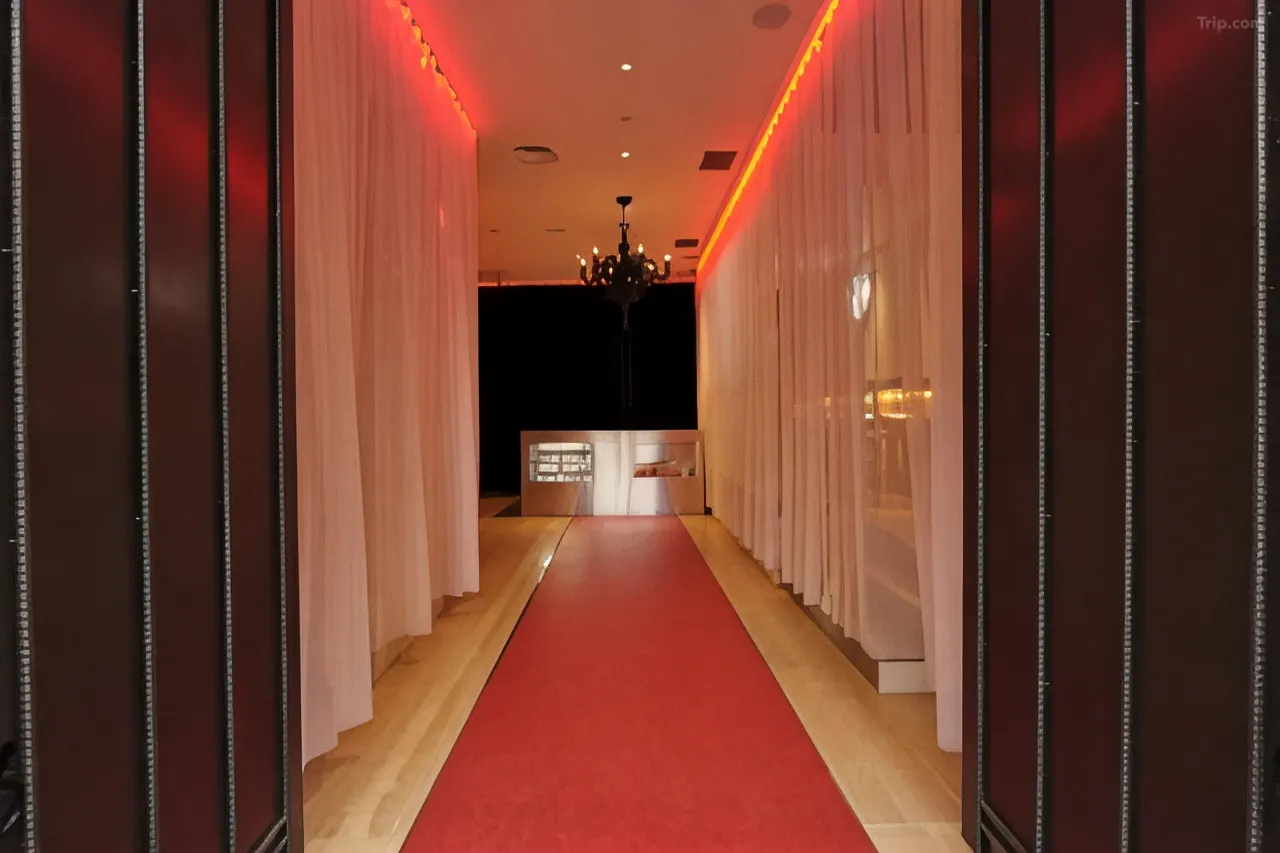
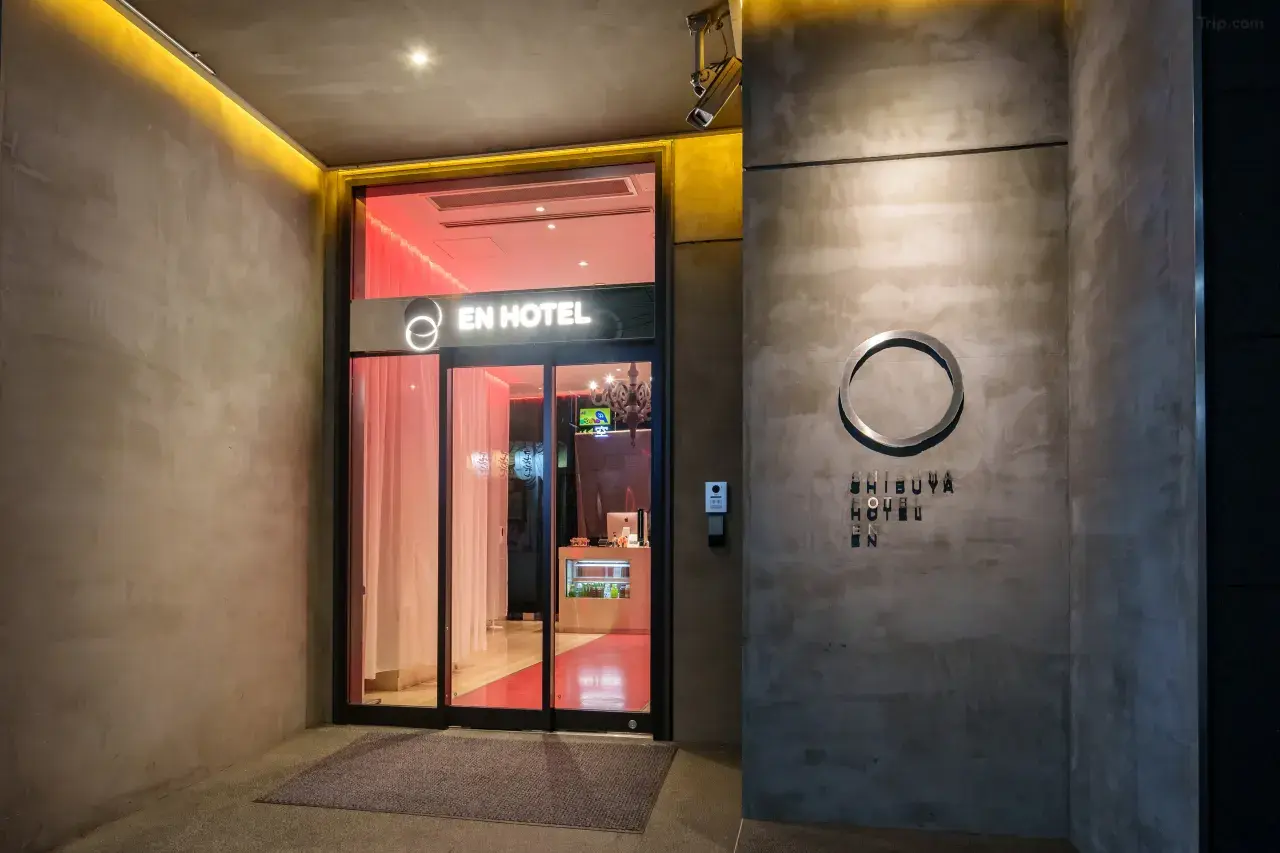
Step through the front door of Shibuya Hotel En and the city — that relentless, neon-lit, thousand-decibel city — simply stops. Outside, the Shibuya Scramble Crossing churns with its famous tidal wave of people. Inside, a different logic takes over. The lobby is small. The elevator opens. And then you choose a floor, and each floor is its own universe.
This is the premise of Shibuya Hotel En, and it is not a gimmick. It is one of the most deliberately conceived hotel concepts in Tokyo — a nine-storey vertical museum of Japanese culture, hiding in plain sight on Maruyamacho Street, three minutes from the most photographed intersection on Earth.
The Concept: "Something Can Happen"
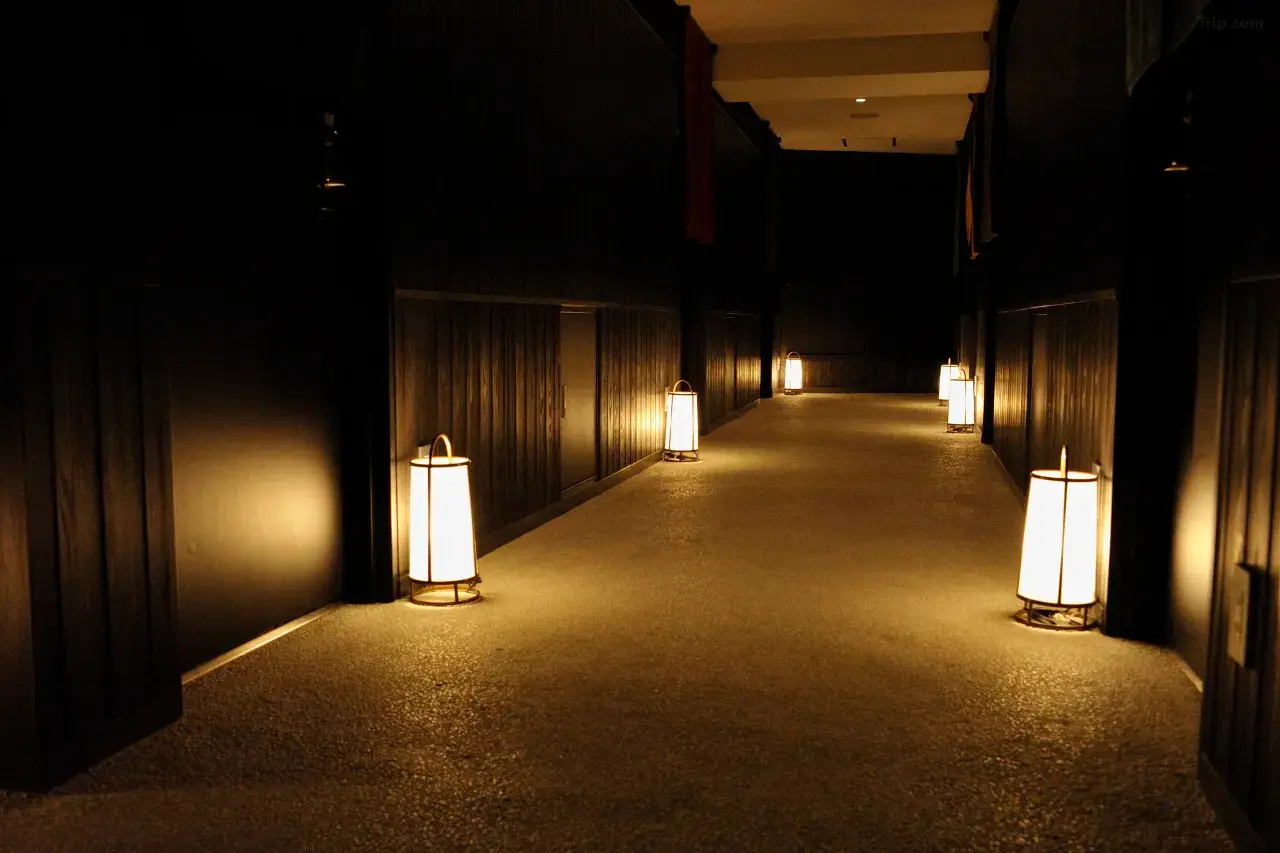
Shibuya Hotel En was built around a single philosophy: that a hotel stay should feel like crossing into another world. The brand calls it Shibuya Incredible. Each of the nine floors carries a distinct theme — a complete visual and atmospheric identity — drawn from different strata of Japanese culture. The effect is that of staying inside a hand-curated exhibition, except you sleep in it.
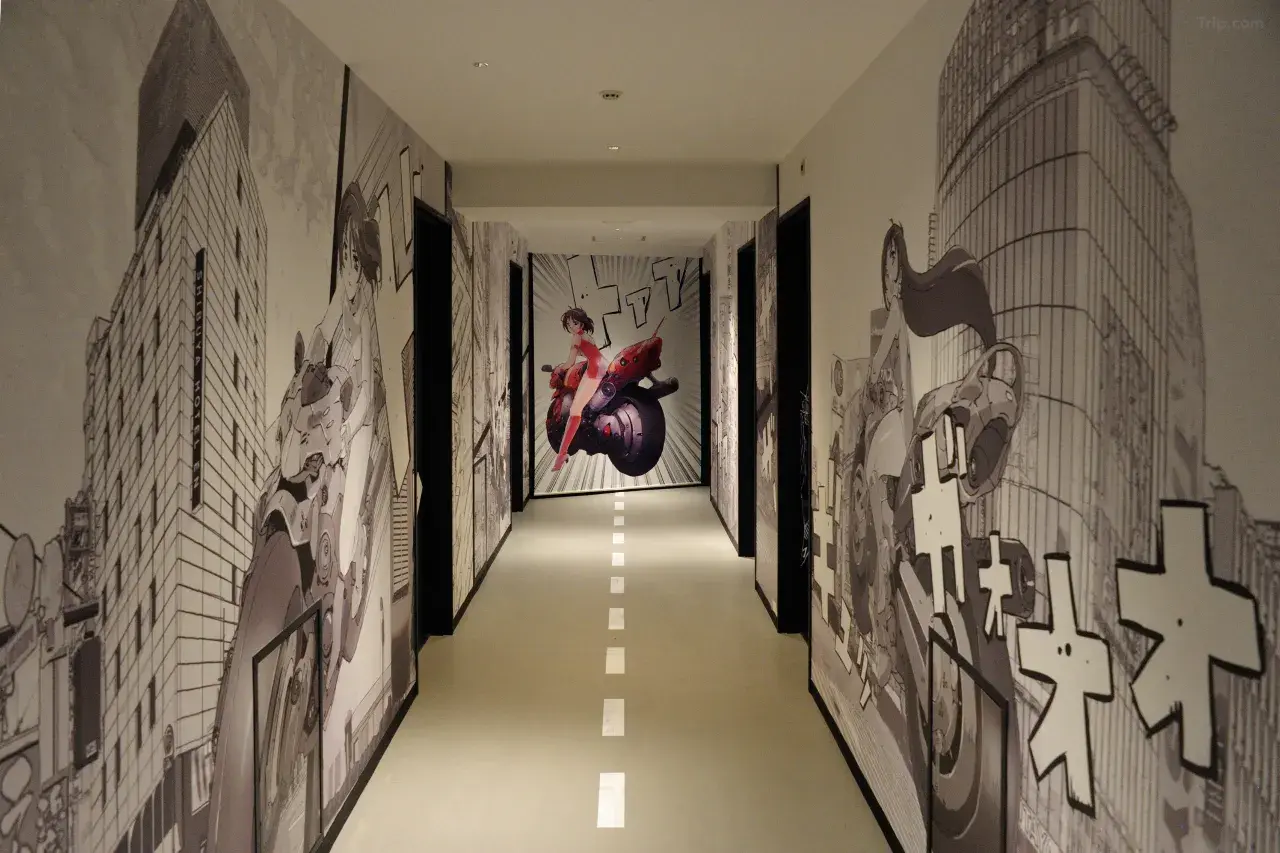
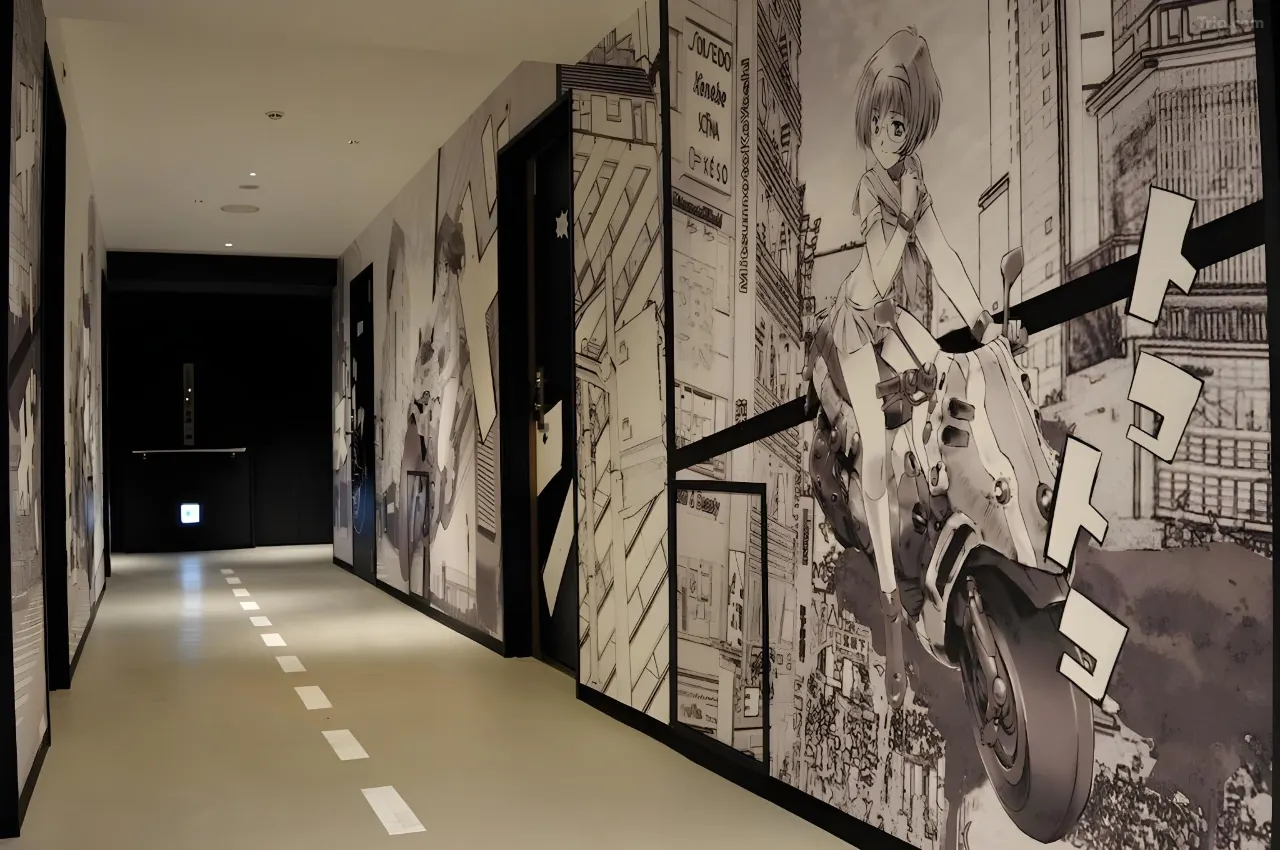
Floor Two is the one that will stop most readers of this site in their tracks. The Manga floor is a direct tribute to Shibuya's identity as a global epicenter of Japanese comics and animation culture. The corridors and rooms are wrapped in pop-art graphics and monochrome illustrations that conjure the feeling of walking through the pages of a manga volume. It is not themed in the casual sense — it is committed, detailed, and genuinely transporting.
Floor Three interprets the traditional tenugui — the hand-dyed cotton cloths that serve as one of Japan's oldest art forms — using the four seasons as a visual framework. Floor Four reconstructs the narrow lanes of old Kyoto, the roji alleyways that wind between machiya townhouses. Floor Five is devoted to Hokusai's Red Fuji, the woodblock print that transformed how the world perceived Japanese art and that sits, unmistakably, at the root of the visual language modern manga inherited.
The Floors: A Walking Tour
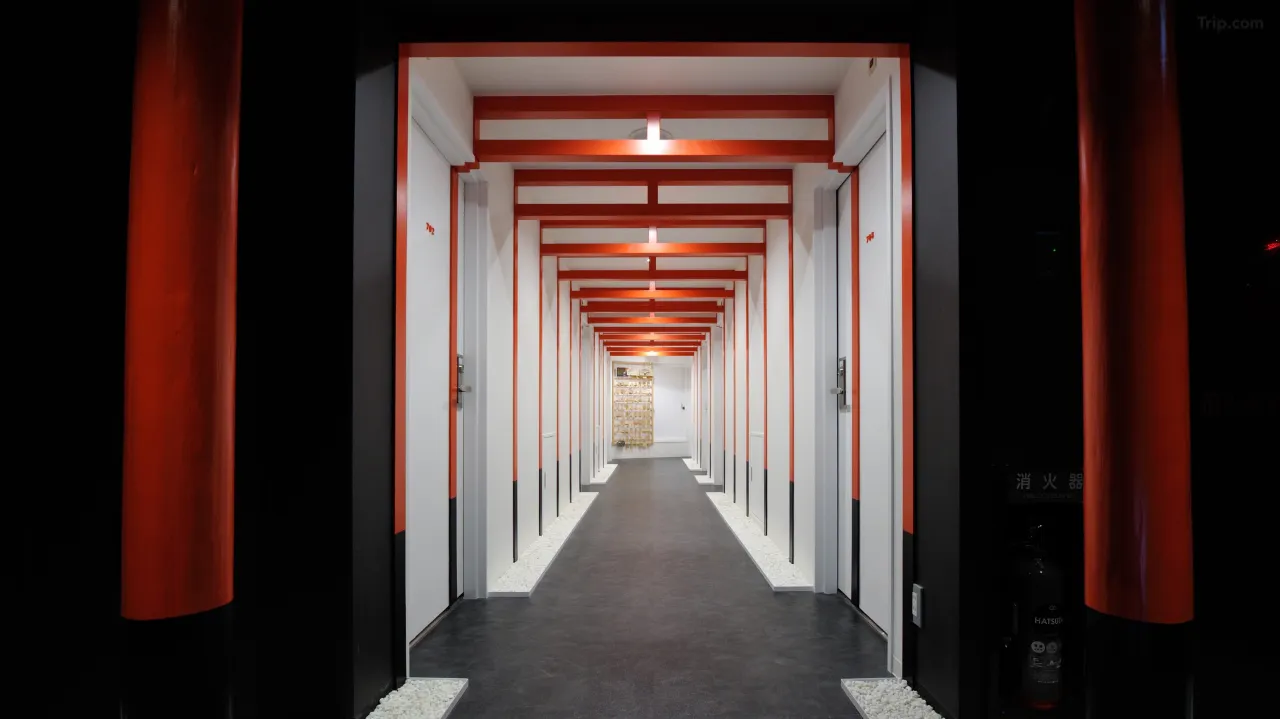
Each floor of Shibuya Hotel En functions as a self-contained world. Floor Six draws from the ancient tradition of Noh theatre — Japan's oldest surviving dramatic form, now over 600 years old — and translates its stark, precise aesthetic into room design and corridor atmosphere. Floor Seven recreates the sensation of passing through the famous vermillion torii gate tunnels of Fushimi Inari Shrine in Kyoto. Floor Eight turns its gaze upward, toward the universe itself, using light and material to evoke the quiet grandeur of the natural world at scale.
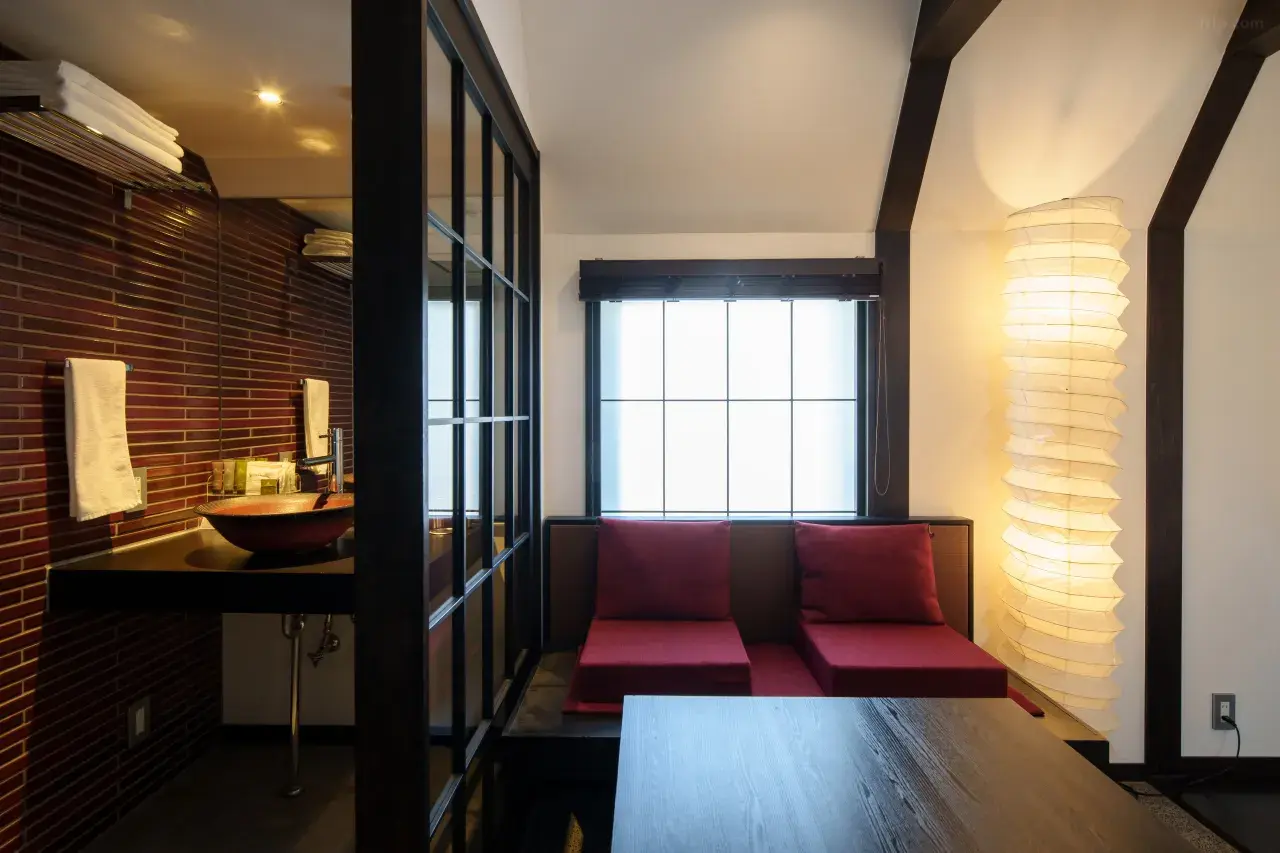
Floor Nine is the summit of the experience. Three executive rooms occupy this level, each with its own independent concept: the Oriental room surrounds guests in a canopied bed and Eastern-inspired interiors; the Cave room constructs its atmosphere from natural stone textures and includes a top-of-the-line massage chair; and the Kominka room recreates the warmth of a traditional Japanese farmhouse, with wooden ceiling beams and a quiet verandah. These are not hotel rooms. They are small, immersive theatrical sets built for overnight occupation.
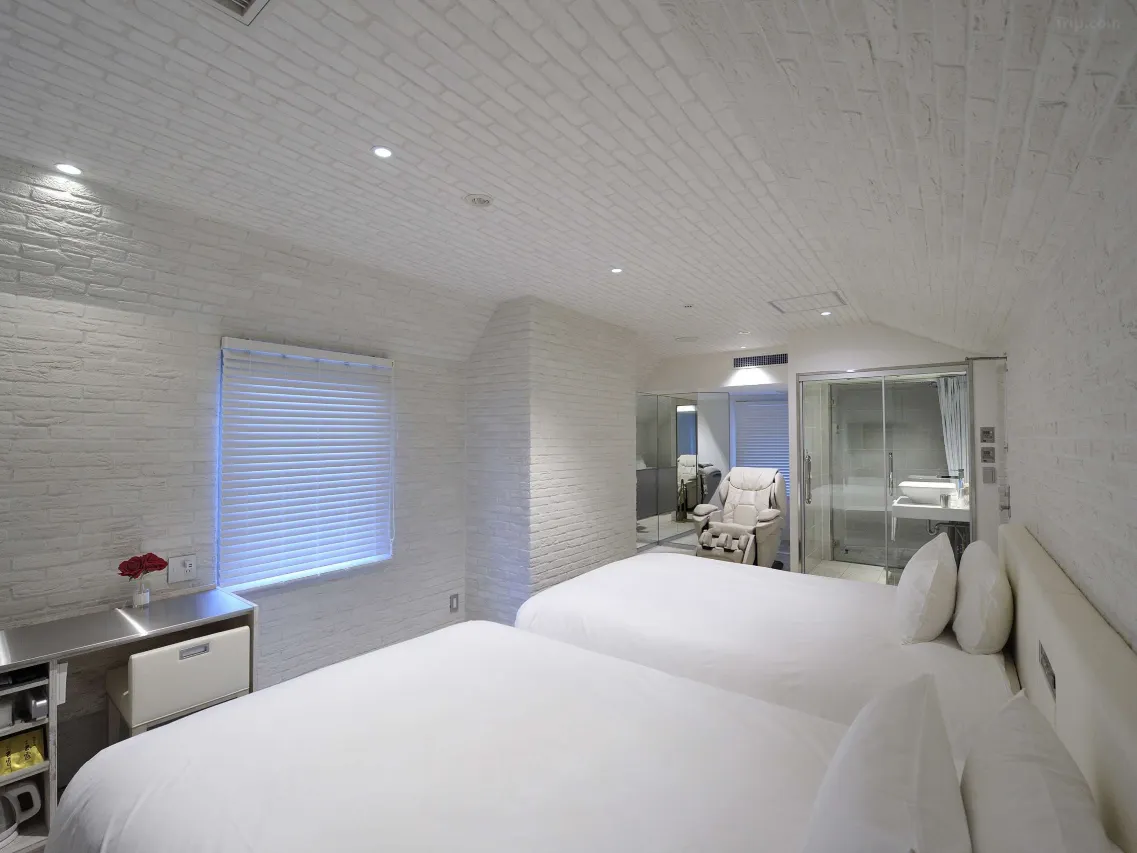
Floors Two through Eight offer rooms in three primary design languages: Japanese Modern, Factory Modern, and Hideout. The first blends hinoki wood elements and traditional craft sensibilities with clean contemporary lines. The second pairs raw materials — exposed brick, concrete block, natural stone — with industrial geometry in a way that feels more Berlin than Tokyo, until you look closer and realize it is distinctly neither. Hideout rooms lean into the idea of a private refuge: dim, enveloping, designed to make the outside world feel very far away.
The Otaku Dimension: Shibuya as Pilgrimage Ground
Shibuya Hotel En did not need to market itself to anime and manga enthusiasts. Its location does that work automatically. The hotel stands at the center of a neighborhood that functions as one of the world's foremost living archives of pop culture.
The Shibuya Scramble Crossing — the intersection that appears in the opening sequences of Death Note, Paprika, and dozens of other anime series — is a six-minute walk from the front door. The Hachiko statue, another landmark burned into the visual memory of anime fans across the globe, is the same distance. The Mega Don Quijote on Dogenzaka — arguably the best single-location shop for anime figures, limited-edition merchandise, and collector's items in all of Tokyo — is three minutes away.
The hotel's own Manga floor, meanwhile, situates the building inside this cultural ecosystem rather than just adjacent to it. Staying on Floor Two is a declaration of identity. The monochrome pop-art walls, the pop-up graphic corridors, the unmistakable visual language of the rooms — all of it exists to acknowledge what Shibuya is and what it means to the people who make the pilgrimage to it.
Practical Life at Shibuya Hotel En
The hotel offers 58 individually furnished rooms across its nine floors, all non-smoking, all equipped with free Wi-Fi, premium Slumberland bedding, 40-inch LCD televisions, and a full complement of toiletries including yukata robes and slippers. The rooms are compact — this is Shibuya, and Tokyo space is Tokyo space — but the quality of the materials and the intensity of the design make the dimensions feel like a deliberate choice rather than a constraint.
Practical Information
- Check-in: 3:00 PM Check-out: 10:00 AM
- Rooms: 58 individually designed rooms across 9 floors
- Wi-Fi: Free throughout the property
- Room styles: Japanese Modern · Factory Modern · Hideout · Executive (Oriental / Cave / Kominka)
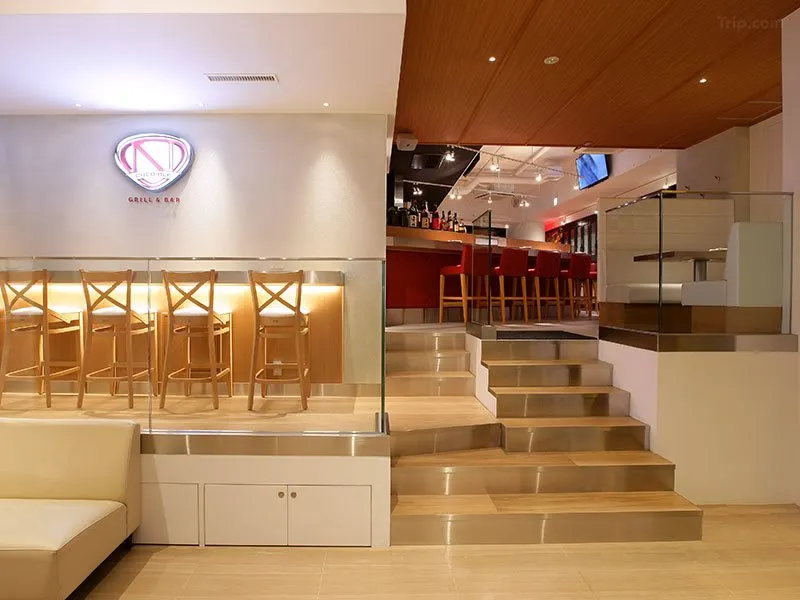
- Dining: In-hotel café; complimentary breakfast (coffee, toast, pastries) included in most plans
- Services: 24-hour front desk · Luggage storage · Dry cleaning · Massage services · Multilingual staff
- From Shibuya Station: 4–7 minutes on foot (Hachiko Exit, JR Lines)
- Address: 1-1 Maruyamacho, Shibuya, Tokyo 150-0044
Getting There: Into the Scramble
Shibuya Station is the gateway. From Narita Airport, the Narita Express (N'EX) brings you directly to Shibuya in about 90 minutes. From Haneda, the Keikyu Line connects to Shibuya via a transfer at Shinagawa in under 40 minutes. The hotel is a short, well-signposted walk from the station's Hachiko Exit — the same exit that deposits you in front of the famous bronze dog, looking out over the crossing that half the anime world has rendered in ink.
The immediate neighborhood — Dogenzaka and Maruyamacho — is Shibuya at its most concentrated: dense with restaurants, convenience stores, record shops, and the kind of narrow side streets that feel designed for getting pleasantly lost at midnight. The hotel sits in the middle of this without being overwhelmed by it. Once inside, the building holds its own atmosphere with impressive conviction.
Beyond Anime: Shibuya Hotel En as a Design Hotel
Strip away the manga floor, the anime pilgrimage potential, and the pop culture geography, and Shibuya Hotel En still stands as one of the more interesting boutique hotels in a city that is not short of interesting boutique hotels. The "vertical museum" concept is genuinely executed rather than merely gestured at. The materials — real wood, stone, brick, concrete — give the rooms a physical weight and authenticity that most hotels at this price point lack entirely.
The design team made a considered choice to work in authentic Japanese craft traditions without lapsing into the kind of decorative nostalgia that can make culturally themed hotels feel like stage sets. The Noh floor does not try to replicate a theatre; it absorbs the aesthetic of Noh — its severity, its economy, its quiet intensity — and translates it into a space where people actually sleep. The Tenugui floor uses the textile art as a conceptual key rather than a wallpaper motif. This is the difference between a hotel that thinks about culture and one that merely uses it as decoration.
The guest experience reviews are consistent on a few points: the staff is warm, multilingual, and genuinely helpful; the cleanliness standards are high; and the location, for anyone trying to move efficiently through central Tokyo, is close to ideal. The rooms are small, but the design transforms smallness into intimacy. The sound of Shibuya at night can occasionally find its way in — this is not a hotel for people who require silence — but the building handles the city's energy well, filtering rather than blocking it.
For the traveler who wants to stay somewhere that has actually thought about what a hotel stay should feel like — not just what it should cost or how many square meters it should provide — Shibuya Hotel En is a quiet argument in favor of the idea that design and intention can make a space feel much larger than its dimensions suggest.
| Location | 1-1 Maruyamacho, Shibuya, Tokyo 150-0044 |
| Category | Design Boutique Hotel |
| Manga / Anime Connection | Floor 2 (Manga theme) · Steps from Shibuya Crossing (Death Note, Paprika, Jujutsu Kaisen) · Near Hachiko Statue |
| Opened | 2016 (renovated and rebranded as EN Hotel) |
| Price Range | ¥8,000–¥35,000 per room per night (varies by room type and season) |
| Standout Rooms | Floor 9 Executive: Cave · Oriental · Kominka |
| Floors | 9 floors · 9 distinct cultural themes · 58 rooms |
| Nearest Station | Shibuya Station (Hachiko Exit) — 4–7 min walk · JR, Tokyo Metro, Tokyu Lines |
Photo Gallery
Ready to Step Into Another World?
Check availability and book your stay at Shibuya Hotel En through our trusted partners.