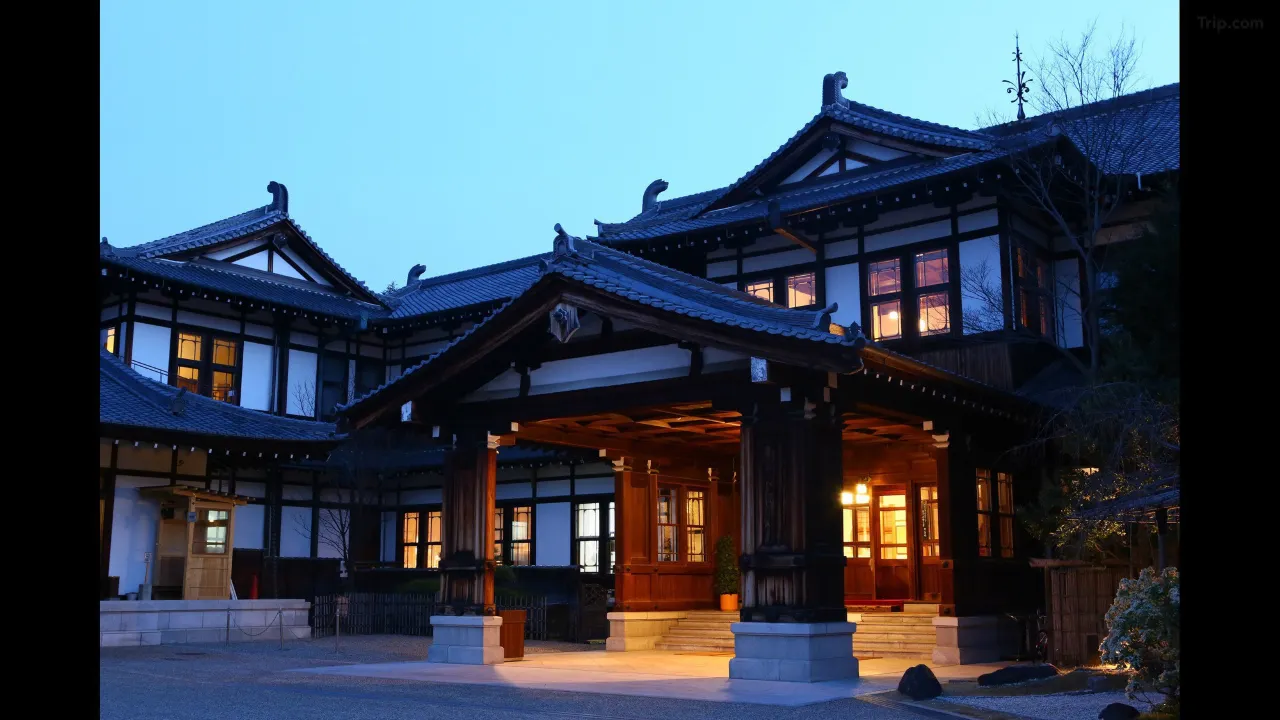
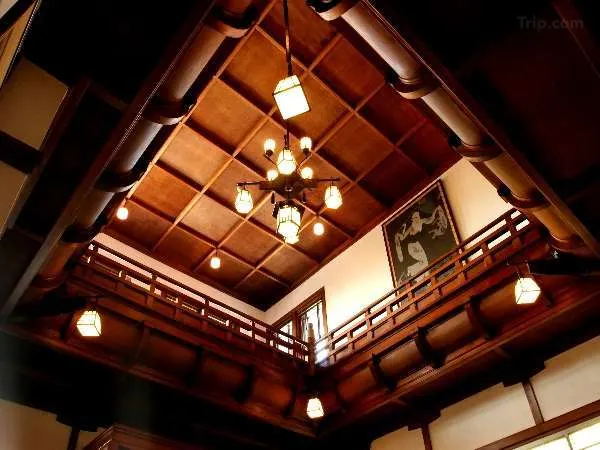
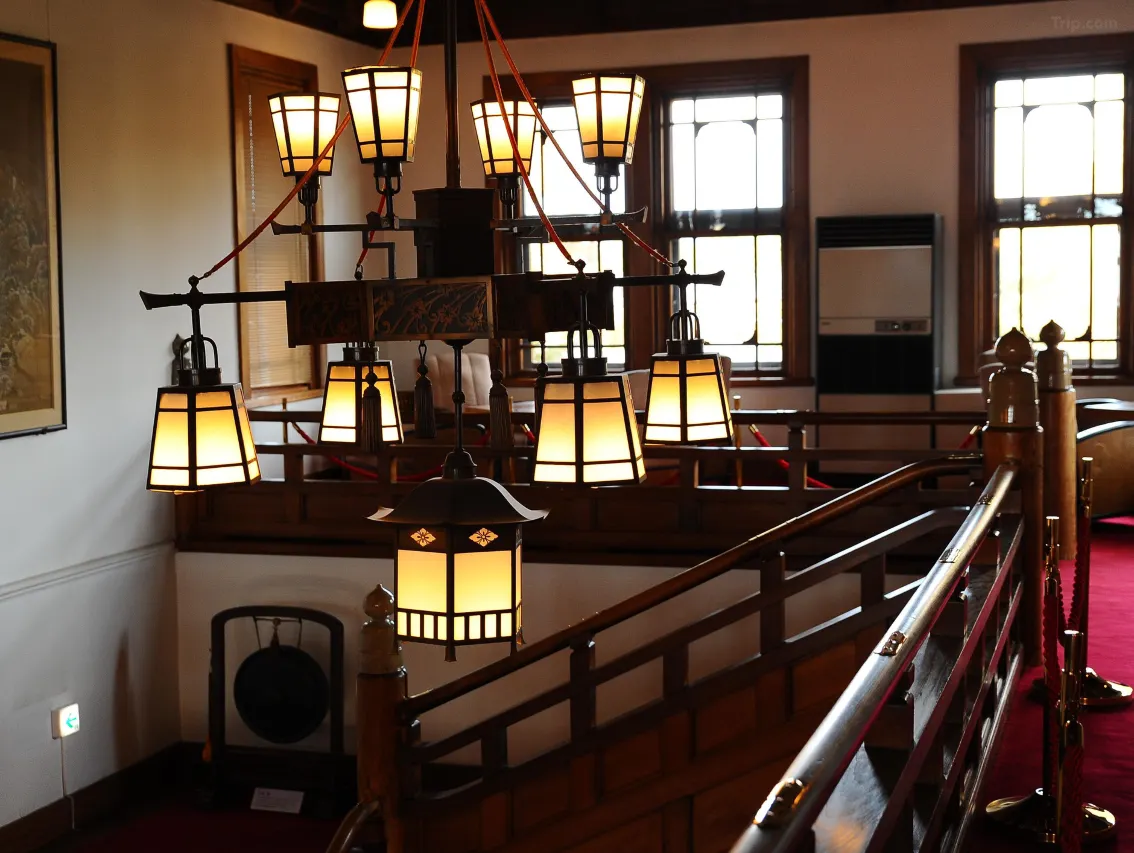
There is a piano in the lobby of Nara Hotel that Albert Einstein played on December 17, 1922. The instrument has not been moved. The wheel marks from its original delivery — it was brought from the former Ministry of Railways — are still visible on the lobby floor. Einstein was on a lecture tour of Japan; he stayed two nights, played the piano each evening, and left. The Dalai Lama has stayed here. Charlie Chaplin. Audrey Hepburn. Three emperors. The hotel opened in 1909, and the lobby has looked approximately the same ever since.
For the Demon Slayer pilgrim visiting Nara — specifically Yagyu Village's Itto-seki boulder, the seven-meter granite rock cleaved in half by a single sword strike that is the direct real-world parallel to Tanjiro's training boulder — Nara Hotel is not merely the most convenient accommodation. It is the only accommodation whose atmosphere is calibrated to the era the anime inhabits. The building was designed by Tatsuno Kingo, the same architect who designed Tokyo Station, in the Momoyama Goten style: hinoki cypress wood, wide eaves, a palace-like silhouette on the hillside above Nara Park. It opened during the Meiji era and reached its cultural peak during the Taisho years. The Taisho era is the world of Demon Slayer. Staying here is not decorative — it is accurate.
The Building: One Architect, Two Demon Slayer Sites
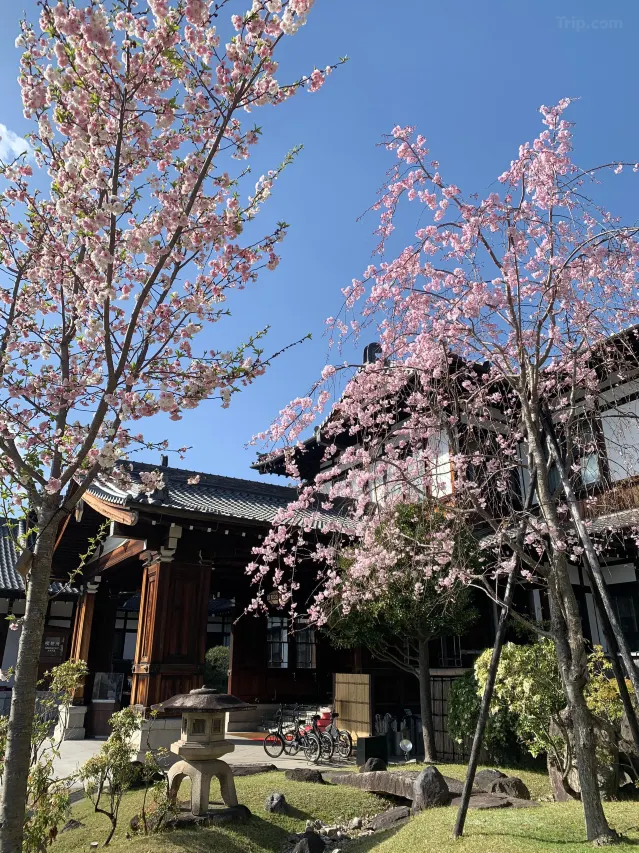
Tatsuno Kingo is the most consequential architect of Meiji-era Japan. His two most famous buildings — Tokyo Station's Marunouchi building and Nara Hotel's main structure — bookend the Taisho era from opposite ends of the country: Tokyo Station opened in 1914, two years after the Taisho period began; Nara Hotel opened in 1909, in the final years of Meiji, and became one of the premier social institutions of the Taisho years that followed. Both buildings use the same hybrid logic: Western structural principles — the symmetry, the scale, the confident permanence of a public building designed to outlast its era — wrapped in Japanese aesthetic vocabulary.
At Nara Hotel, Tatsuno chose the Momoyama Goten style: a reference to the late feudal period's palace architecture, translated into hinoki cypress wood construction. The result sits on its Nara Park hillside like a palace that decided to become a hotel — which is, functionally, exactly what happened. The Imperial Government Railways commissioned it as the premier guesthouse for the Kansai region, the accommodation that would represent Japan to the foreign dignitaries and intellectuals arriving in increasing numbers after the Meiji modernization. It was, from its first day, a building that understood its own historical role.
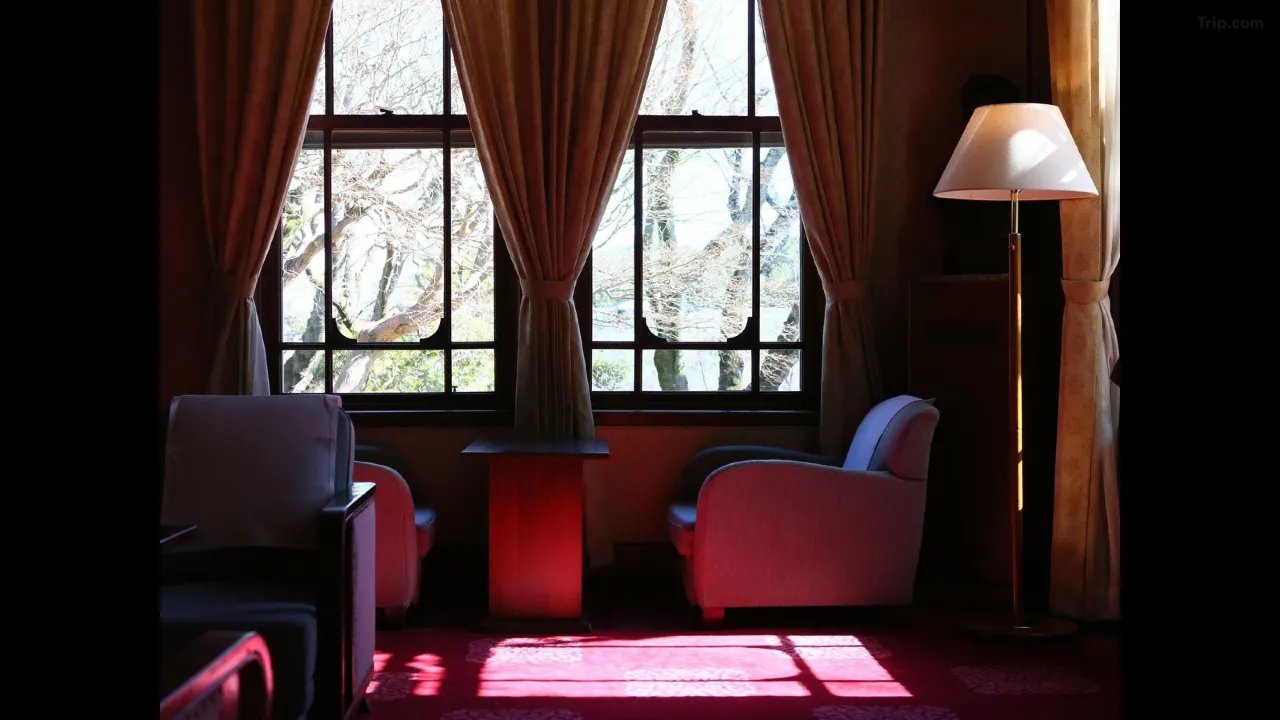
The Main Building has been registered as a cultural property of Nara Prefecture. Its Sakura-no-ma lobby, unchanged since 1909 in its essential atmosphere, still serves complimentary coffee and beverages to overnight guests from 5 PM to 8 PM — a tradition that has run continuously through the Meiji, Taisho, Showa, Heisei, and Reiwa eras without interruption.
The Itto-seki Pilgrimage: What to Do in Nara
Yagyu Village — the remote hamlet 40 minutes by car from central Nara that houses the Itto-seki boulder — is the primary Demon Slayer pilgrimage destination in this region. The seven-meter granite rock, split cleanly in half at Amanoiwatate Shrine according to the legend of master swordsman Yagyu Munetoshi's duel with a Tengu mountain goblin, is the direct real-world parallel to the boulder Tanjiro must slice during his ultimate training under Sakonji Urokodaki. The split-rock motif and the Tengu mask worn by Urokodaki come from the same mythological tradition. This is not coincidence.
The village itself rewards a half-day rather than a quick photograph-and-leave visit. The Yagyu clan were official sword instructors to the Tokugawa shogunate — one of the most influential sword schools in feudal Japan — and the village landscape still carries that accumulated weight. Stone lanterns line the main street. Forest shrines sit among cedar. Sword memorial sites mark points along the walking paths. The local bus from Nara runs approximately every 70 minutes (Nara Kotsu service); car access takes 40 minutes from central Nara. The Itto-seki is on shrine grounds and free to enter.
Beyond Yagyu, Nara's wider mythological landscape runs deep through Demon Slayer's source material. The deer of Nara Park — over 1,000 animals roaming freely through the city — are designated as messengers of Kasuga Taisha Shrine's deity, a direct continuation of the same Shinto mythological system that underlies the series' treatment of demons, spiritual hierarchies, and the boundary between the human and supernatural worlds. Walking through Nara Park at dawn, before the tourists arrive, with free-roaming deer moving through the cedar trees and the five-tiered pagoda of Kofukuji visible above the foliage, produces exactly the layered time-register — ancient, feudal, and Taisho-era simultaneously — that Demon Slayer was built on.
Rooms, Dining, and the Correct Way to Stay
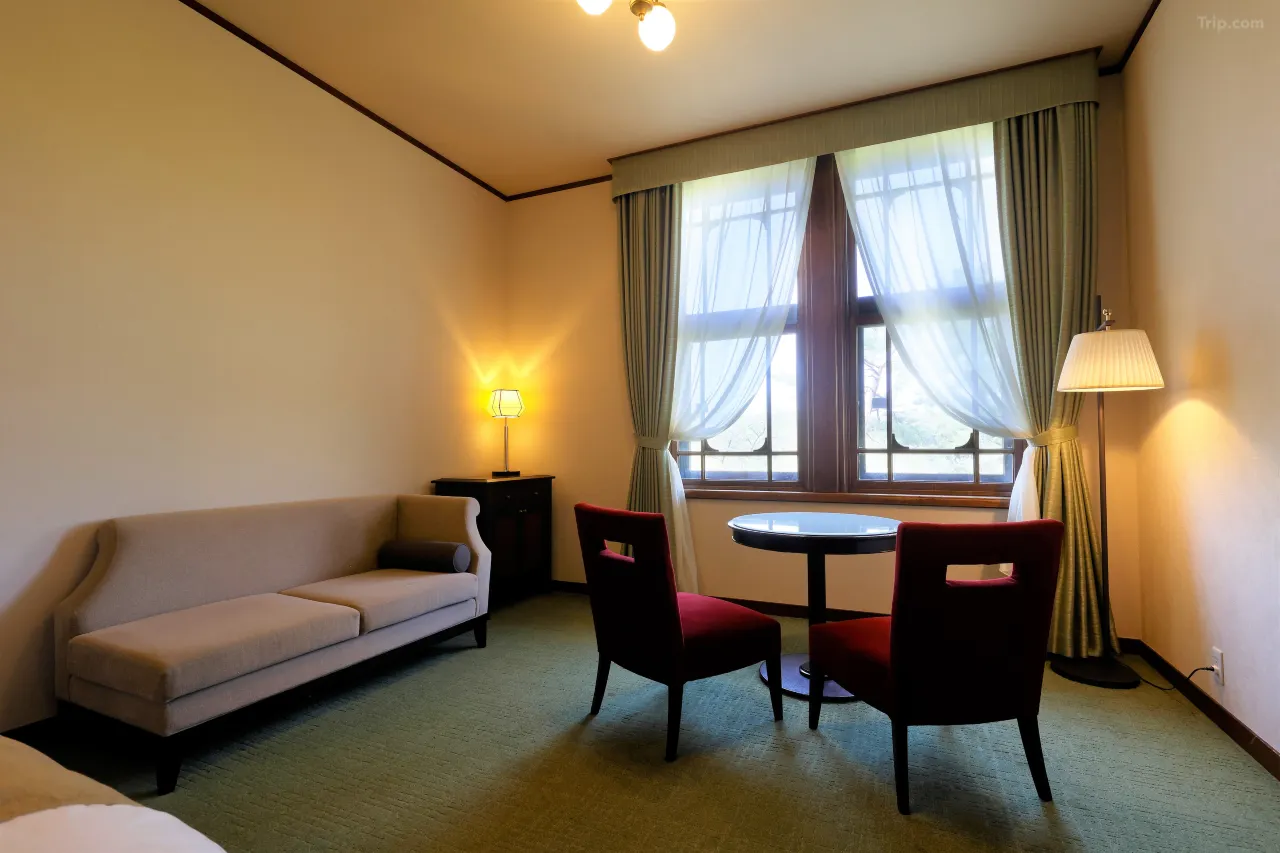
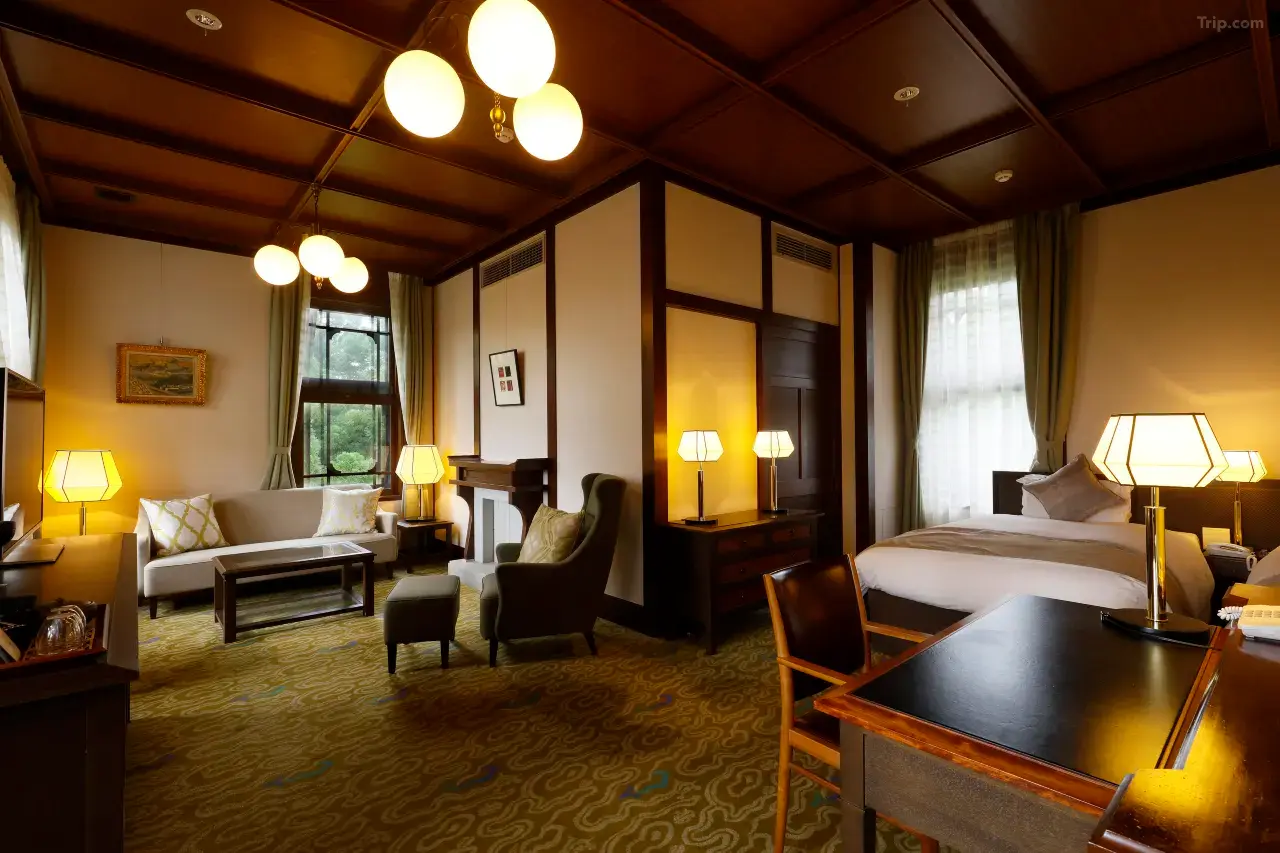
The hotel's approximately 127 rooms divide between the 1909 Main Building and the newer New Building. For the Demon Slayer pilgrim, the choice is straightforward: Main Building rooms. These are Western-style accommodations with hinoki cypress wood furnishings, deep soaking bathtubs, views of either Nara Park or the interior garden, and the specific quality of silence that only very old buildings with very thick walls produce. The Deluxe Parkside and Deluxe Gardenview categories offer the most atmospheric options.
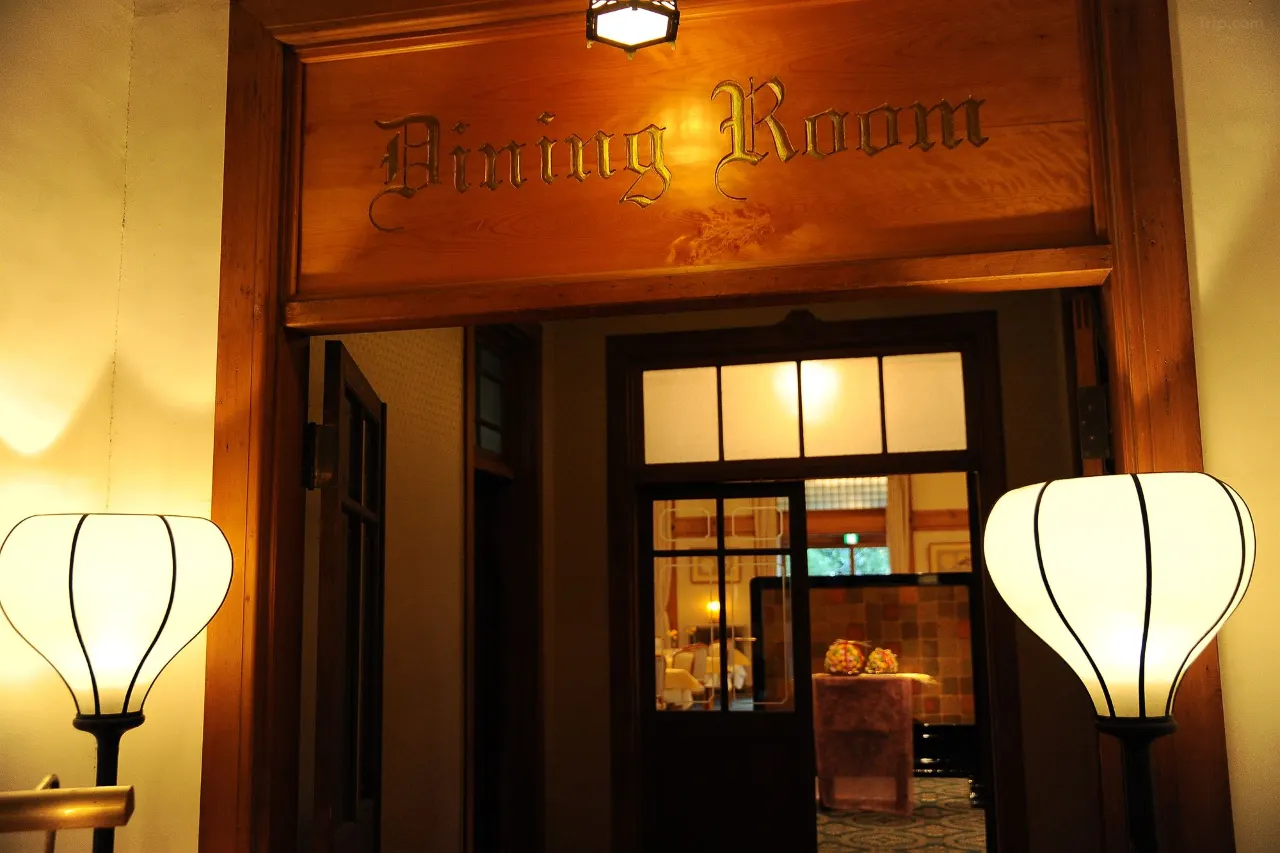
The main dining room has been serving French cuisine since 1909, and its design is unchanged — a stately, high-ceilinged space that has fed more notable guests than almost any comparable room in Japan. The Japanese restaurant operates alongside it for those who prefer kaiseki. The tea lounge, with floor-to-ceiling windows overlooking the garden, serves original cakes by the hotel's pastry chef. The bar — a traditional space with a selection of world-famous liquors and monthly special cocktails — occupies a room where time does demonstrably appear to move at a different pace than outside.
The correct way to stay at Nara Hotel is to arrive in the afternoon, walk to Nara Park while the light is still good, return for the complimentary 5 PM lobby coffee, have dinner in the main dining room, and spend the following morning in Yagyu Village before returning to catch the train onward. Two nights is better than one — the hotel earns its atmosphere gradually rather than immediately, and the second morning in the lobby, when you have stopped being surprised by it, is when the Taisho-era quality of the place becomes genuinely present rather than performed.
Practical Information
- Check-in: 3:00 PM Check-out: 11:00 AM
- Rooms: ~127 rooms across Main Building (1909) and New Building — Main Building recommended
- Dining: French main dining room (unchanged since 1909), Japanese restaurant, tea lounge, bar
- Lobby coffee: Complimentary for overnight guests, 5:00 PM–8:00 PM daily
- From Nara Station: 15-min walk or 5-min taxi from Kintetsu Nara Station; 20-min walk or 5-min taxi from JR Nara Station
- Yagyu Village (Itto-seki): 40 min by car; ~70-min local bus (Nara Kotsu, infrequent)
- Architect: Tatsuno Kingo — also designed Tokyo Station (1914)
- Cultural status: Main Building registered as Nara Prefecture cultural property
| Full Name | Nara Hotel (奈良ホテル) |
| Address | 1096 Takabatake-cho, Nara City, Nara Prefecture 630-8301 |
| Anime Connection | Demon Slayer — Taisho-era base for Itto-seki / Yagyu Village pilgrimage (Location 04) |
| Architect | Tatsuno Kingo (also designed Tokyo Station) |
| Opened | October 17, 1909 (Meiji era) |
| Notable Guests | Albert Einstein, Charlie Chaplin, Audrey Hepburn, three emperors, the Dalai Lama |
| Rooms | ~127 rooms — Main Building (1909) and New Building |
| Dining | French restaurant (1909), Japanese restaurant, tea lounge, bar |
| Nearest Station | Kintetsu Nara Station — 15-min walk or 5-min taxi |
Photo Gallery
Stay in the Era
Main Building rooms. Complimentary lobby coffee at 5 PM. Yagyu Village in the morning.
Planning the full Demon Slayer pilgrimage? Read the complete guide: Tracing the Blade — Every Real-Life Demon Slayer Location in Japan →
← Back to Stay